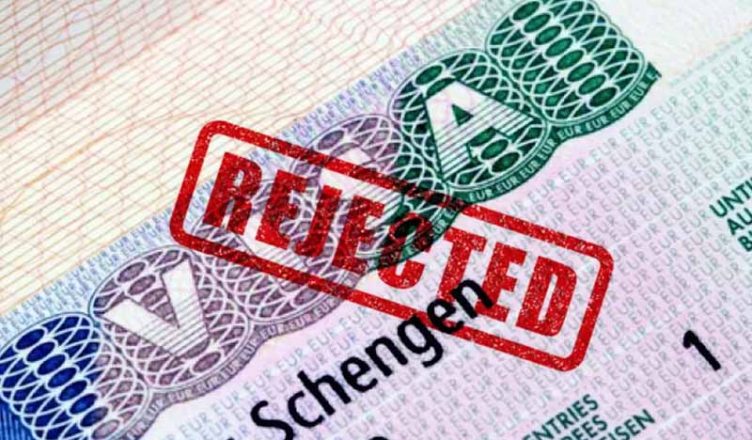
6 Common Mistakes Indians Make When Applying for a Schengen Visa and How to Avoid Them.
Applying for a Schengen visa can be an exciting step toward your European vacation. However, the application process necessitates meticulous planning and precise paperwork. Even minor errors, such as applying in the wrong nation, submitting conflicting paperwork, or offering an imprecise trip plan, might cause extra hassles.
A short-stay Schengen visa normally allows qualified travelers to stay for up to 90 days within a 180-day period, depending on the visa and related requirements. Applicants must submit a completed application, a valid travel document, supporting documentation, and, if applicable, appropriate travel medical insurance.
Here are six frequent blunders that Indian travelers should avoid when applying for a Schengen visa.
1. Applying thru the incorrect Schengen Country.
One of the most common mistakes is choosing a nation just because an appointment appears to be simpler to arrange or because the applicant believes the country will be more likely to issue the visa.
Your application should be submitted in accordance with the laws that apply to your principal destination, taking into account elements such as your purpose of travel and the country where you will spend the most of your trip.

Plan your complete itinerary before applying.
Clearly identify your main destination.
Ensure your hotel bookings and travel plan support the country through which you are applying.
Avoid creating an itinerary that appears inconsistent with your application.
Your travel plans and supporting documents should tell one clear and logical story.
2. Submitting incomplete or incorrect documents.
Your application may be delayed due to missing documents, outdated passports, inaccurate pictures, or incomplete forms.
According to Schengen visa requirements, applicants must produce supporting paperwork relating to the purpose of their travel, accommodation, financial resources, and desire to depart the Schengen area before the visa expires.
Before your appointment, carefully check:
Passport validity
Completed visa application form
Passport-size photographs meeting the required specifications
Flight or transport details
Accommodation documents
Proof of financial means
Employment or business documents, where applicable
Supporting documents relevant to your purpose of travel
Travel medical insurance, where required
Your passport should generally remain valid for at least three months after your intended departure from the EU, subject to the applicable rules.
3. Offering an unrealistic or confusing travel itinerary.
A poorly designed schedule may raise concerns about the purpose and feasibility of your trip.
For example, arranging to visit multiple places in a short amount of time, displaying exaggerated travel dates, or offering hotel reservations that do not correspond to your specified route can make your application difficult to interpret.How to avoid it:
Create a simple and realistic day-wise travel plan.
Your itinerary should clearly mention:
Arrival and departure dates
Countries and cities you plan to visit
Number of nights in each destination
Major transportation between destinations
Accommodation details
There's no need to plan an unduly elaborate itinerary. A clear and practical plan is easy to understand and will help the rest of your application.
4. Displaying inconsistent financial information
Your financial documents should adequately support your desired vacation. Large unexplained deposits, conflicting bank statements, or documents that do not match your employment or income information may raise more issues.
Schengen laws require documentation that the applicant has sufficient funds for the anticipated stay, return, or onward transit.
Submit genuine and relevant financial documents.
Maintain consistency between your income, employment and bank records.
Avoid unexplained last-minute financial transactions where possible.
Include supporting explanations or documents when a major transaction needs clarification.
The aim is to provide a transparent picture of how your trip will be funded.
5. Using invalid, unreliable, or inconsistent travel documents.
Your flight reservations, lodging information, travel insurance, and other supporting paperwork should all reflect your actual vacation plans.
The Schengen Visa Code permits applications to be denied if there are reasonable doubts regarding the authenticity of supporting papers, the veracity of information presented, or the applicant's stated travel intentions.
How to avoid it:Use genuine and verifiable supporting documents.
Ensure all bookings match the application dates.
Double-check your travel insurance coverage and validity.
Do not submit altered or misleading documents.
Review your entire application to make sure all information is consistent.

6.Applying late and rushing the application
Waiting until the last minute might result in rushed documentation, problems scheduling appointments, and extra stress.
Applicants should plan ahead and provide enough time to prepare documents and submit the application. According to European officials, the process should begin well in advance of the intended journey, with the exact schedule and submission rules checked for the country handling the application.
Start preparing your documents well in advance.
Check appointment availability early.
Review passport validity before beginning the application.
Leave enough time to correct missing or incorrect documents.
Avoid making your application preparation a last-minute process.
Final Thoughts
A successful Schengen visa application does not require presenting the maximum number of papers. It is about providing a thorough, accurate, consistent, and convincing application that clearly describes your travel plans and backs up the facts you offer.
Before submitting your application, review your passport, itinerary, financial documents, employment or business information, travel reservations, and insurance. Before submitting your application, conduct a thorough last check to detect any minor errors.


