Dubai’s Tourism Faces Turmoil as Emirates and Flydubai Reroute Flights via Safe Air Corridors: What This Means for Hotels and Vacationers in 2026
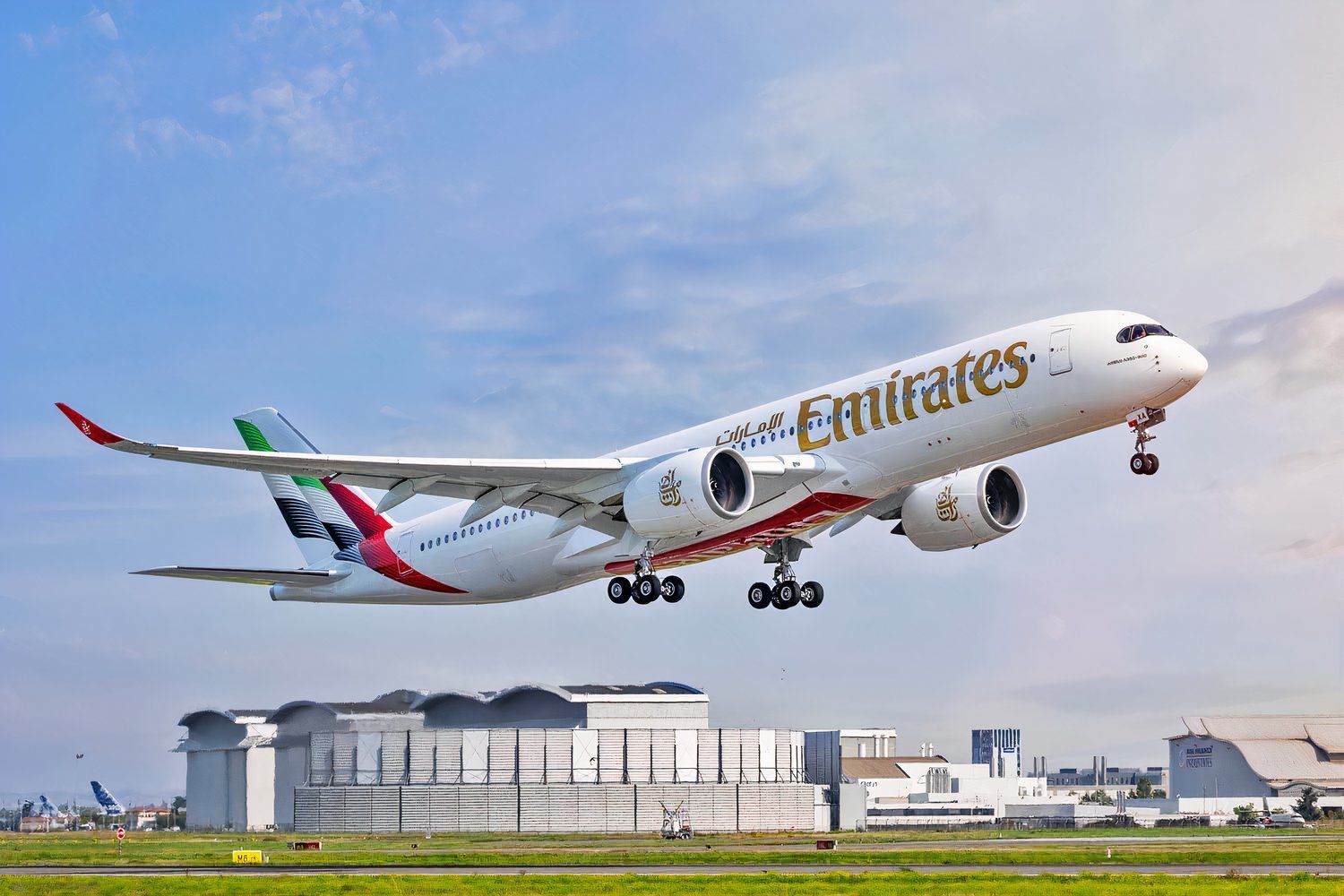
Dubai has long been one of the world’s most important travel hubs, connecting millions of passengers between Europe, Asia, Africa, and the Americas. However, recent geopolitical tensions in the Middle East have created unexpected turbulence for the global travel industry. Airlines such as Emirates and flydubai have begun rerouting flights through designated safe air corridors, causing ripple effects across Dubai’s tourism and hospitality sectors.
The Situation: Why Flights Are Being Rerouted
The disruption stems from escalating regional tensions and temporary airspace closures across parts of the Middle East. Several Gulf airspaces were shut or restricted, forcing airlines to suspend or reroute flights. As a response, the United Arab Emirates government introduced “safe air corridors,” special flight paths designed to allow limited and secure aviation operations.
These corridors allow up to 48 flights per hour, primarily focusing on evacuation, essential travel, and limited commercial operations while ensuring passenger safety.
Major airports like Dubai International Airport and Dubai World Central Airport have gradually resumed operations, but schedules remain unpredictable as airlines rebuild their networks.
Impact on Airlines and Global Aviation
The Middle East is one of the most important aviation corridors in the world. Dubai alone handles hundreds of thousands of transit passengers daily, acting as a bridge between continents.
Due to the disruptions:
Thousands of flights across the Gulf region were canceled or delayed.
Airlines had to take longer alternative routes.
Aviation fuel costs increased due to rising oil prices.
Travel times on some routes became longer.
Experts warn that if instability continues, airlines may temporarily shift transit hubs to other cities, which could affect Dubai’s dominance as a global aviation hub.
What This Means for Dubai’s Tourism Industry
Dubai’s tourism economy is heavily dependent on smooth air connectivity. When flights are disrupted, the impact quickly spreads to hotels, tour operators, and attractions.
Key effects on tourism include:
1. Hotel Occupancy Fluctuations
Many travelers postponed trips or canceled bookings due to uncertainty. At the same time, stranded passengers extended hotel stays, creating unpredictable demand patterns for hospitality businesses.
2. Higher Travel Costs
With rerouted flights and increased fuel prices, airfare is expected to rise globally. This may reduce short-term leisure travel demand to Dubai.
3. Changing Travel Routes
If airlines permanently adjust routes, other transit hubs could temporarily benefit, potentially reducing Dubai’s transfer passenger volume.
4. Travel Uncertainty for Tourists
Travelers planning vacations to Dubai may face:
Flight delays
Schedule changes
Higher ticket prices
Authorities are advising passengers to check flight status regularly before heading to the airport.
How Dubai Is Responding
Despite the disruption, Dubai is working quickly to stabilize its tourism ecosystem. The government and aviation authorities have:
Opened safe air corridors for controlled operations
Gradually restarted commercial flights
Coordinated repatriation flights for stranded passengers
Increased security monitoring of regional airspace
Airlines are also restoring routes in phases, prioritizing key international connections and stranded travelers.
LongTerm Outlook for Dubai Tourism
While the situation has created short-term turbulence, industry experts believe Dubai’s tourism sector is resilient. The city’s strong airline network, luxury hospitality sector, and strategic location still make it one of the most important travel hubs globally.
If regional stability improves, Dubai’s travel industry is expected to recover quickly, as demand for international travel remains strong.
Final Thoughts
The rerouting of flights by Emirates and flydubai highlights how geopolitical events can instantly affect global tourism networks. For now, Dubai’s tourism industry faces operational challenges, but its infrastructure, airline partnerships, and global appeal position it well for recovery once the situation stabilizes.


