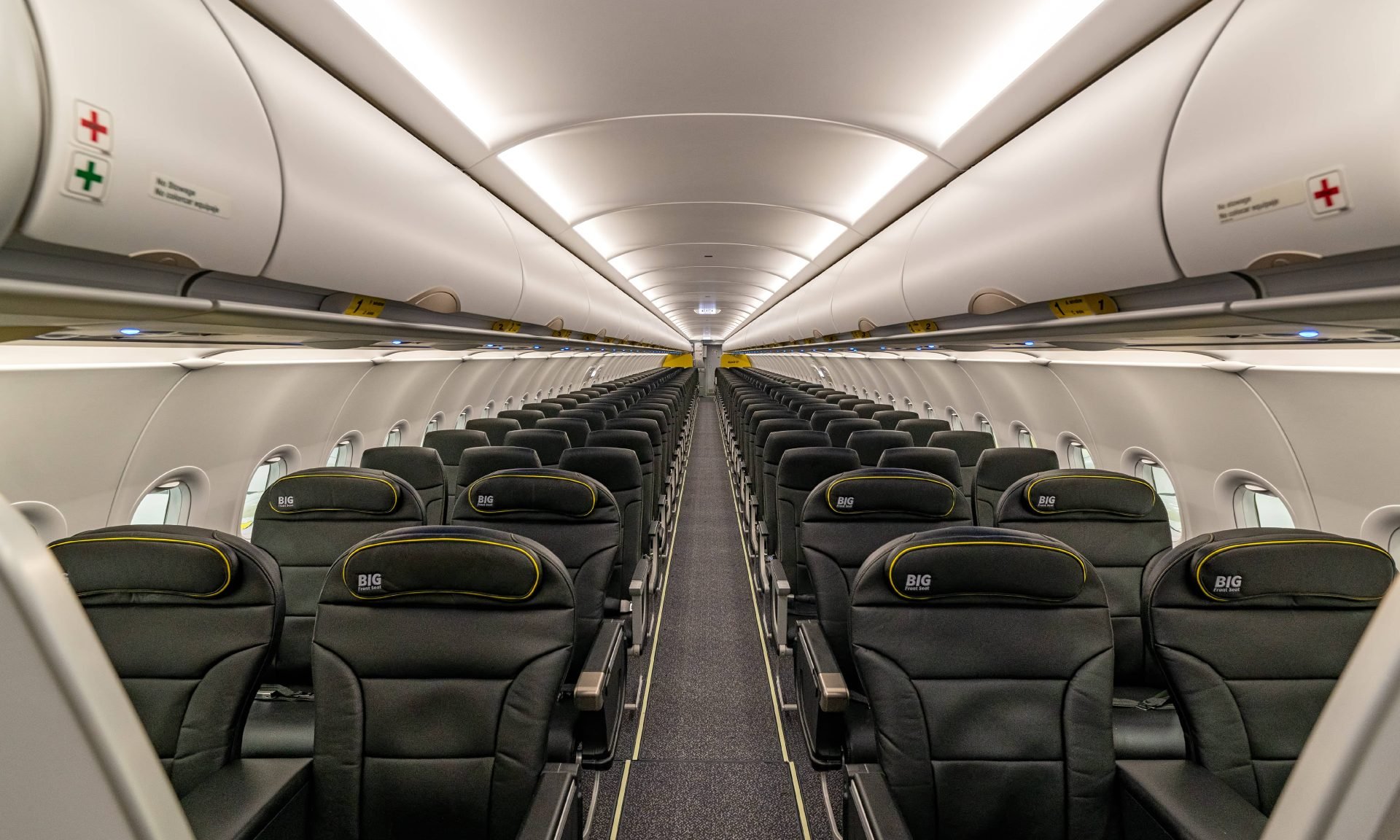
Due to airline concerns, India has halted plans to offer 60% free seat selection on flights.
Due to airline worries about the impact on pricing, India has suspended the 60% free seat selection rule. Passenger co-seating regulations and transparency requirements are still in effect.
The recent proposal by India's aviation ministry to mandate that airlines provide at least 60% of seats for free selection on every flight has been temporarily shelved.
Less than three weeks have passed since the rule was first proposed to improve passenger-friendly transport. However, Indian Airlines cautioned that the action would upset pricing structures and put further strain on operations at a time when the sector is already coping with rising fuel prices.
Why the Government Put the Regulation on Hold
The Ministry of Civil Aviation (MoCA) requested on March 17, 2026, that airlines enhance passenger convenience and guarantee that most seats were available at no additional cost.
However, airlines swiftly retaliated.
The law may conflict with India's deregulated ticketing structure, which permits airlines to determine ticket rates and add-on services, according to industry associations like the Federation of Indian Airlines.
The administration decided to temporarily suspend the mandate after considering these issues. The proposal will be put on hold as officials examine its wider effects on airline operations and rates, according to a letter dated April 2.
The 60% Free Seat Selection Rule: What Was It?
The goal of the now-paused 60% free seats directive was to lower the increasing number of additional costs that travelers frequently incur while making travel arrangements.
According to the proposal:
Every aircraft would have had at least 60% of the seats available for selection.
Premium seats, such those with more legroom or front-row seating, could still be charged for by airlines.
Enhancing openness and lowering unforeseen expenses during reservations were the objectives.
Seat selection fees, according to airlines, are a significant source of income, particularly in light of the rising cost of fuel.
Other Passenger-Friendly Policies Are Still Relevant
The free seat regulation has been suspended, but there are still a number of additional passenger-focused adjustments. Indian Airlines is still anticipated to:
Give more precise details regarding seat allocation fees.
Attempt to seat passengers who have the same PNR together.
Increase openness about extra costs
Provide more precise guidelines for bringing pets, sporting goods, or musical instruments on trips.
These procedures are designed to simplify the booking process and clear up any misunderstandings regarding optional fees.
Why Airlines Care About Seat Selection Fees
Ancillary revenue, which includes fees for priority boarding, meals, baggage upgrades, and seat selection, is a major source of income for airlines.
These extra fees assist airlines in maintaining competitive base ticket pricing despite variable aviation turbine fuel prices and growing operating expenses.
According to industry representatives, eliminating a significant amount of seat selection fees would compel airlines to change ticket pricing or limit the flexibility of their cost structures.
What Travelers Should Know About This
Travelers should anticipate that seat selection fees will remain the same for the time being.
Airlines are free to keep their current price structure while the government considers the idea. The larger movement for openness and equitable fee disclosure, however, is still ongoing.


