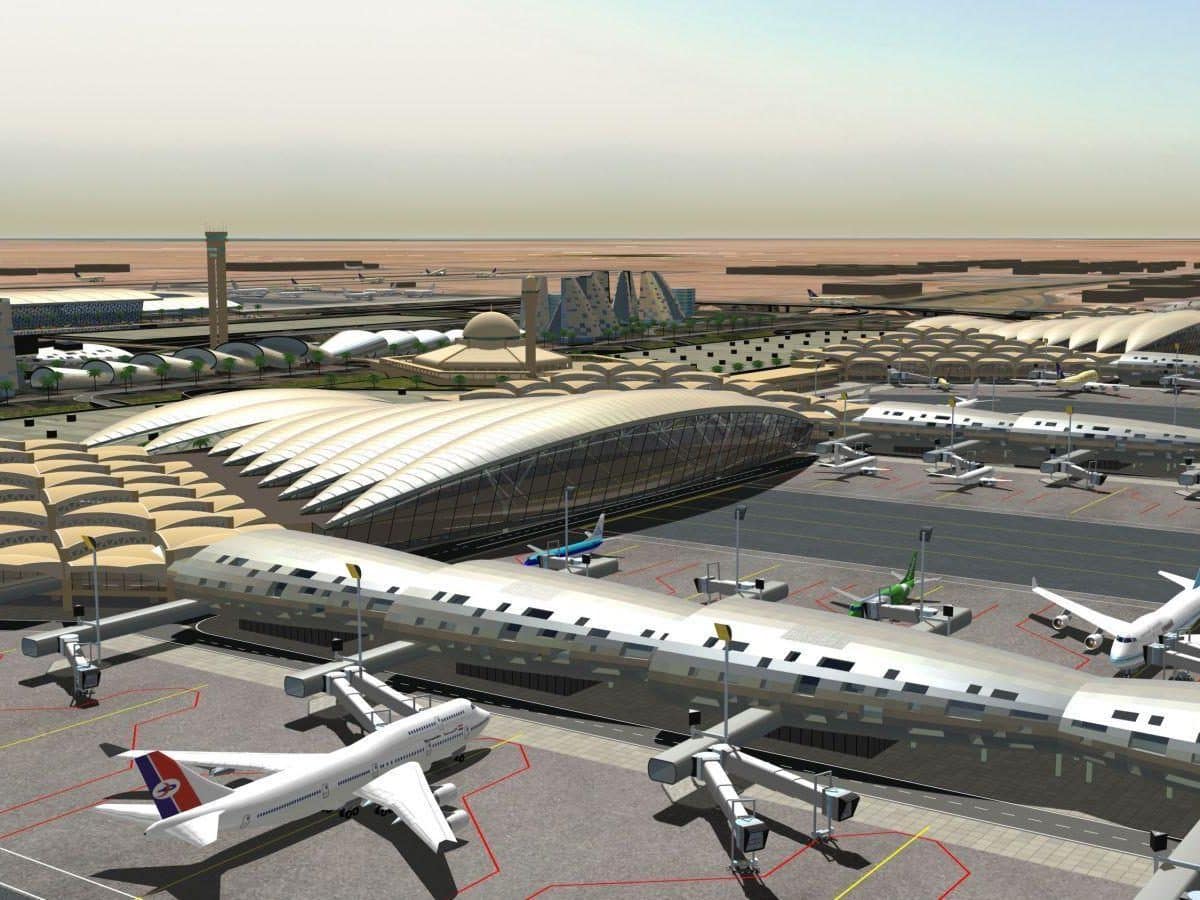
Airline & Connectivity News: Expanding Global Travel Networks
The global travel industry continues to evolve rapidly, with airlines expanding routes and launching new direct services to meet rising demand for seamless international travel. Improved air connectivity is playing a key role in boosting tourism, business travel, and cultural exchange across regions.
🛫 New Singapore–Riyadh Non-Stop Route Strengthens Asia–Middle East Travel
One of the most significant recent developments in airline connectivity is the launch of non-stop flights between Singapore and Riyadh. This new route marks a major milestone in strengthening air links between Southeast Asia and the Middle East, two regions witnessing strong economic growth and increasing travel demand.
The non-stop service significantly reduces travel time compared to connecting flights, offering greater convenience for business travelers, tourists, and expatriates. Riyadh, as Saudi Arabia’s capital, is emerging as a key destination under the country’s Vision 2030 initiative, which aims to diversify the economy and promote tourism, investment, and international collaboration.
🌍 Why This Route Matters for the Travel Industry
The introduction of direct Singapore–Riyadh flights brings several advantages:
Enhanced connectivity: Travelers can now avoid long layovers, making journeys faster and more comfortable.
Tourism growth: The route supports increasing interest in Saudi Arabia as a leisure and cultural destination while making Southeast Asia more accessible for Middle Eastern travelers.
Business & trade opportunities: Stronger air links facilitate corporate travel, trade partnerships, and international events.
Airline network expansion: This move reflects airlines’ strategies to tap into high-potential markets and diversify international routes.
✈️ A Broader Trend in Global Aviation
The Singapore–Riyadh route is part of a broader global trend where airlines are restoring pre-pandemic routes and introducing new non-stop connections. Carriers worldwide are focusing on point-to-point travel to cater to passengers who prioritize time efficiency and comfort.
Airlines are also deploying fuel-efficient aircraft on medium- and long-haul routes, supporting sustainability goals while maintaining operational efficiency. These developments are reshaping how travelers plan international trips and how destinations compete in the global tourism market.
🧳 What Travelers Should Expect
For travelers, expanding airline connectivity means:
More direct flight options
Reduced total travel time
Increased competition, which may lead to better fares and service quality
Greater access to emerging destinations


