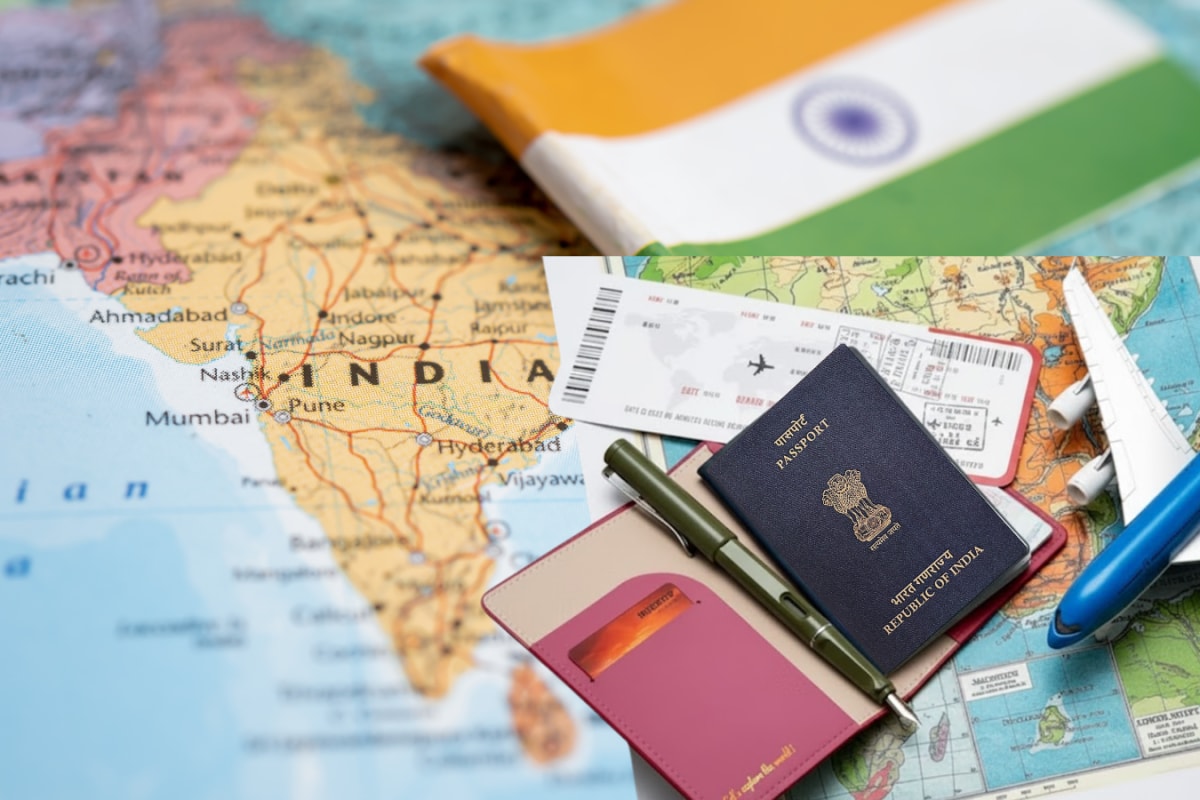
India to reduce visa categories from 13 to 9 and application forms by 70%.
India wants to decrease visa categories from 13 to 9 and application form fields by 70% as part of a comprehensive immigration system revamp.
India plans to simplify its immigration system by lowering the number of major visa categories from 13 to nine and reducing application form fields by 70%. The amendments are part of a larger review of the Visa Manual, 2019, spearheaded by the Union Home Ministry.
The Indian government also intends to decrease visa sub-categories from 49 to 23, removing overlapping classifications and redundant inquiries that now burden applications.
What is changing with India's new visa categories?
The government has acknowledged the reduction to nine primary categories, although the whole condensed list has yet to be made public alongside the latest announcement.
A single change has already been documented. India's current Tourist Visa has been renamed Visitor Visa (V), with two sub-categories.
1. V-1 Visitor Visa (Short Duration)
Designed for brief excursions and activities, this category includes:
Tourism, sightseeing, and visiting friends or family.
Business meetings and other brief business activity.
Medical consultations and short-term treatment.
Wellness retreats and short-term yoga programs.Short classes in languages, music, dance, cookery, and other cultural pursuits.
Transportation-related travel.
https://travunited.com/visas/in/india-1
2. V-2 Visitor Visa (longer duration)
This category includes longer-duration trips for activities previously approved by the existing T-1 Tourist Visa, as well as mountaineering expeditions.
The September 2026 modification also includes an e-Group Visit Visa for foreign tourists arriving in India via cruise ships on a predetermined route.

What are the nine new Indian visa categories?
The Union Home Ministry has declared that India's 13 major visa categories will be streamlined into nine. However, the final titles and descriptions for all nine categories have yet to be made public.
The government is also lowering the number of subcategories from 49 to 23. A complete list is awaited, and existing visa classifications should not be confused with the new structure.
The other important change pertains to application papers. The Indian government intends to delete over 70% of existing visa form fields by reducing overlapping, repetitive, and unnecessary inquiries. The updated forms are likely to be implemented across visa categories and subcategories.
For international travelers, this might mean less time spent filling out applications and less potential for errors. However, shorter forms do not necessarily imply easier visa eligibility or security inspections.
When Will the New Visa Rules Take Effect?
The Home Ministry's evaluation followed a conference conducted in August to discuss changes to various chapters and appendices of the Visa Manual for 2019.
While the rationalization effort has been approved, the most recent notification does not include a detailed implementation timeframe or the final consolidated list of nine key categories.
India's visa revisions are part of a larger push to streamline immigration procedures and make digital applications more user-friendly.
We believe that shorter visa forms are a real benefit for international tourists to India. However, the true test will be clearer categorization, predictable processing, and consistent implementation throughout Indian missions.
FAQs: India to Reduce Visa Categories from 13 to 9 and Application Forms by 70%
1. What changes is India planning to introduce to its visa system?
India's Union Home Ministry plans to reduce the main visa categories from 13 to 9, visa sub-categories from 49 to 23 and existing visa application form fields by approximately 70%.
2. Why is India reducing its visa categories?
The proposed reforms aim to simplify the visa framework, eliminate overlapping classifications and remove outdated or unnecessary procedures, making the application process more user-friendly.
3. How much will Indian visa application forms be shortened?
The government plans to remove approximately 70% of existing application form fields by eliminating repetitive, overlapping and redundant questions.
4. How many visa sub-categories will remain under the new system?
The number of visa sub-categories is expected to decrease from 49 to 23 as part of the proposed reforms.
5. Which Indian visa categories will be affected by the changes?
The proposed changes are expected to cover all major visa categories and their sub-categories. However, the complete revised list of nine categories has not yet been officially published.


