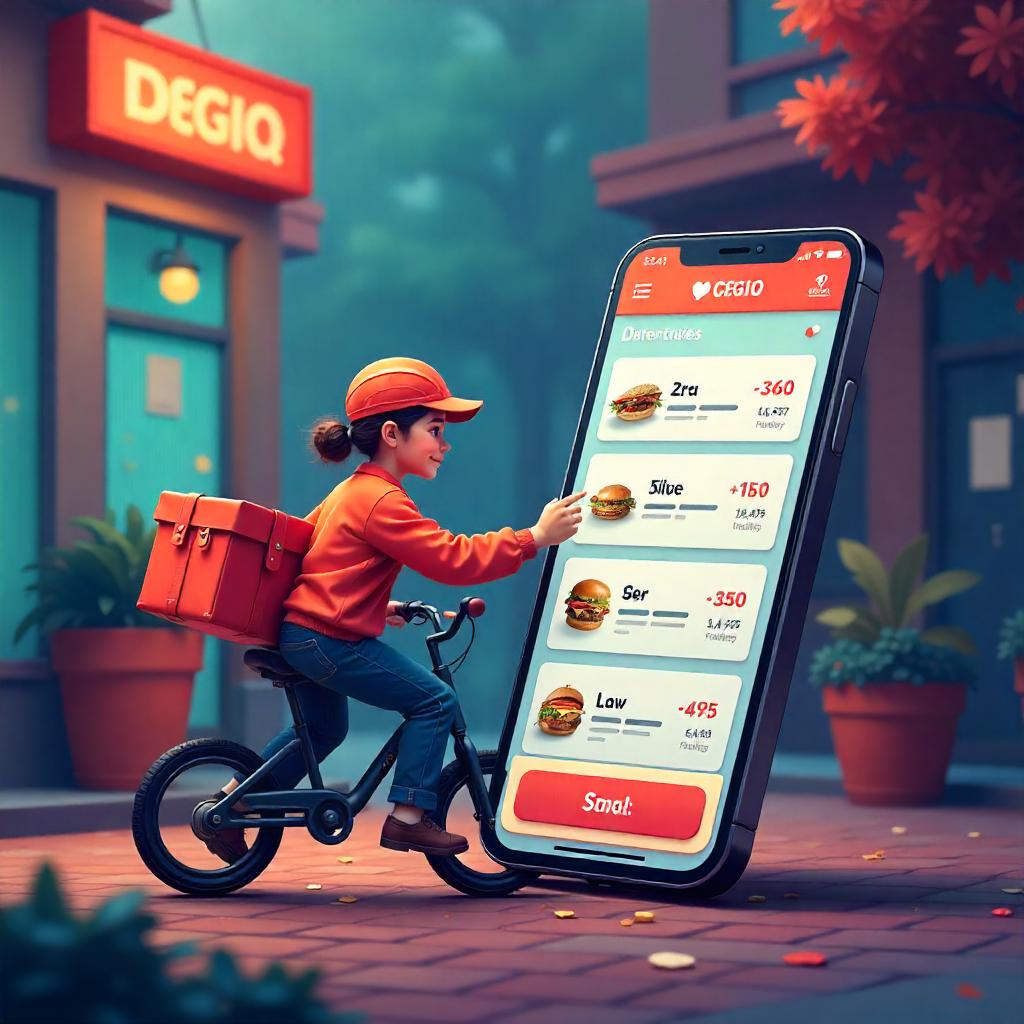
Indian Hotels Face a New Competitor: The Food Delivery App
For decades, Indian hotels have relied on their in-house restaurants and room service as a core part of the guest experience—and a steady revenue stream. But today, a powerful new competitor has entered the scene, not from across the street, but from inside the guest’s smartphone: food delivery apps.
A Shift in Guest Dining Behavior
Travelers in India are increasingly choosing convenience over tradition. Whether staying in budget hotels, business properties, or even luxury accommodations, guests are opening apps like Swiggy and Zomato to order meals from well-known local brands, cloud kitchens, and celebrity-chef outlets.
Late-night cravings, regional comfort food, healthier options, and competitive pricing are driving this shift. For many guests, especially younger travelers and business professionals, delivery apps offer more variety and flexibility than hotel menus.
Why This Matters for Hotels
Hotel food and beverage (F&B) operations have long been a major profit center. However, food delivery platforms are now challenging this model in several ways:
Price sensitivity: App-based meals are often cheaper than hotel dining.
Wider choice: Guests can access hundreds of restaurants instantly.
Speed and customization: Real-time tracking, ratings, and tailored menus appeal to modern travelers.
As a result, some hotels are seeing reduced room service orders and lower footfall in their restaurants, particularly in metro cities and business hubs.
How Hotels Are Responding
Rather than viewing delivery apps purely as competition, many Indian hotels are adapting their strategies:
Partnering with delivery platforms to sell signature dishes to local customers, turning kitchens into revenue-generating assets beyond in-house guests.
Revamping menus with regional specialties, wellness-focused meals, and premium experiences that apps can’t easily replicate.
Enhancing the dining experience by emphasizing ambiance, service, and storytelling—elements delivery apps cannot offer.
Tech integration, including QR-based ordering, faster room service, and digital payment options.
Some luxury hotels are also positioning their restaurants as destination dining venues, attracting locals as much as travelers.
What This Means for the Travel Industry
For travel companies, this trend highlights a broader transformation in traveler expectations. Today’s guests want choice, control, and convenience—whether in transportation, accommodation, or dining.
Hotels that adapt to this changing ecosystem will remain competitive, while those that resist risk losing relevance. The future of hospitality in India may not be about competing with food delivery apps, but coexisting with them in smarter, more guest-centric ways.
Looking Ahead
As food delivery platforms continue to expand and innovate, their influence on hotel dining will only grow. The Indian hospitality sector now stands at a crossroads: protect traditional models or evolve with digital-first travelers.


