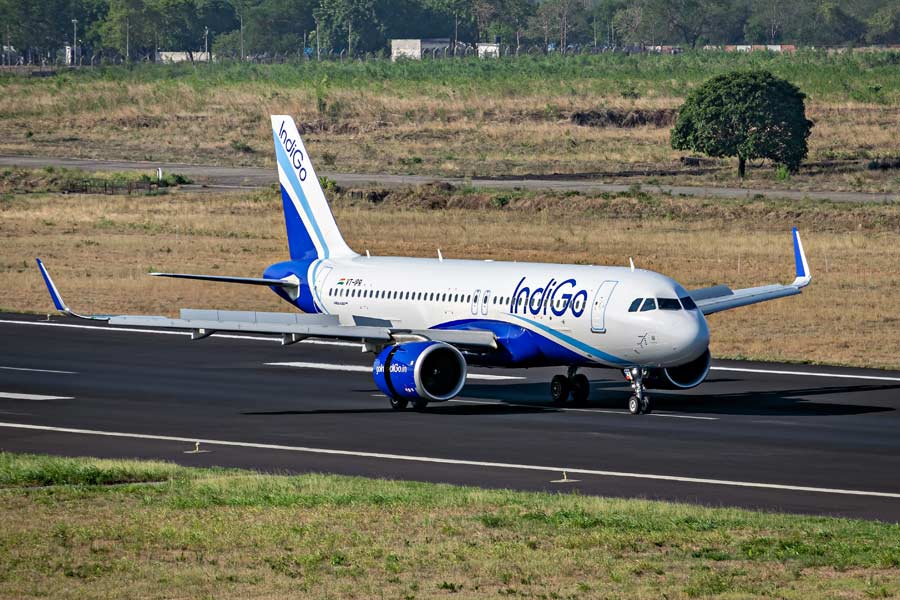
IndiGo Postpones Flight Cancellations to Baku, Almaty, Tashkent, and Tbilisi Until March 28
Due to persistent airspace concerns surrounding Iran, IndiGo has extended flight cancellations to four cities in Central Asia and the Caucasus till March 28. Simultaneously, Air India is refurbishing cabins and expanding frequencies on key foreign routes for the summer of 2026.
Travelers from other countries who intend to visit Central Asia and the Caucasus should reconsider their intentions.
The biggest airline in India, IndiGo, has decided to postpone canceling flights to and from Tbilisi, Almaty, Baku, and Tashkent until March 28, 2026. These flights were previously only halted until February 28.
The pause will now last for an additional month. The explanation is straightforward. Airlines are not taking any chances because the airspace surrounding Iran is still unclear.
What Causes the Suspension of Flights?
Both Air India and IndiGo have ceased operating in Iranian airspace.
In recent weeks, tensions between the United States and Iran have escalated. Airlines are steering clear of the area in favor of lengthy detours.
In practical terms, that means the following:
Extended periods of flight
Increased fuel prices
Increased demands on airplane scheduling
Restricted access to wide-body aircraft
This has had a direct impact on IndiGo flights to:
Tashkent, Uzbekistan Baku, Azerbaijan Almaty, Kazakhstan Tbilisi, Georgia
The airline is keeping a careful eye on the issue and claims that the safety of its passengers and personnel comes first.
Additionally Affected Are Long-Haul Flights
Routes in Central Asia are not the only ones affected by the airspace limitations. Changes to IndiGo's long-haul schedule using leased Boeing 787-9 Dreamliners were announced earlier this month.
This is what altered:
Flights to Copenhagen are halted as of February 17.
Fewer flights between London Heathrow and Delhi
Delhi–Manchester frequency reduction
The airline claims that airport congestion and ever-changing airspace regulations have resulted in longer flight times overall. Its modest fleet of six wide-body aircraft has become more difficult to handle as a result.
Aircraft rotations tighten as flight durations increase. That makes scheduling difficult, particularly when traveling great distances.
What Passengers Need to Do Right Now
If you have a reservation on one of the impacted routes:
Regularly check the status of your flight.
Examine your choices for a refund or reschedule.
Think about other hubs if you have an urgent trip.
Wait until plans are confirmed before applying for a visa at the last minute.
This serves as a reminder to travelers and frequent flyers of how swiftly geopolitical tensions may impact aviation.
Air India Will Increase International Service in the Summer of 2026
Air India is taking the opposite tack on important long-haul routes, while IndiGo is reducing some of its services. The airline is upgrading planes and increasing frequency on a number of overseas routes as part of its Northern Summer 2026 program.
Additional Delhi flights to Shanghai, Seoul, and Toronto
What's changing is as follows:
From March 1, the number of weekly flights between Delhi and Toronto will increase from seven to ten.
From March 29, the number of weekly flights between Delhi and Seoul (Incheon) will increase from five to six.
Four to five weekly flights are being added between Delhi and Shanghai.
This increases the number of seats on each of these lines by more than 2,000 per month.
For tourists, this implies:
Improved accessibility
More accommodating travel dates
Potentially affordable prices
The Delhi–Tokyo Route Now Has a Premium Economy
Since February 14, Boeing 787-9 aircraft operating the Delhi–Tokyo (Haneda) route have been configured in three classes. This comprises:
Premium Economy Business Class Economy
Over 2,400 additional seats are added each month between Delhi and Tokyo as a result of the improvement.
Long-haul travelers who desire greater luxury without having to pay business class rates are increasingly choosing premium economy as an intermediate option.
The Wider View for Passengers
This is the true meaning of this. Flight routes throughout Asia and Europe are changing due to airspace insecurity surrounding Iran. Some routes are getting smaller. Others are growing.
Airlines are rapidly adapting. Flexibility is more important than ever for travelers.
Prior to scheduling lengthy journeys in 2026:
Verify the routing again.
Keep an eye on geopolitical events
Allow buffer time to pass between connections.
Maintain your travel insurance policy.
Schedules for flights might change quickly. These days, intelligent trip preparation includes staying informed.


