Makara Sankranti: Festival of Harvest and New Beginnings
Makara Sankranti is one of India’s most vibrant and meaningful festivals, marking a beautiful transition in nature and life. Celebrated every year in mid-January, this festival signifies the Sun’s movement into the zodiac sign Makara (Capricorn), symbolizing the end of winter and the beginning of longer, warmer days.
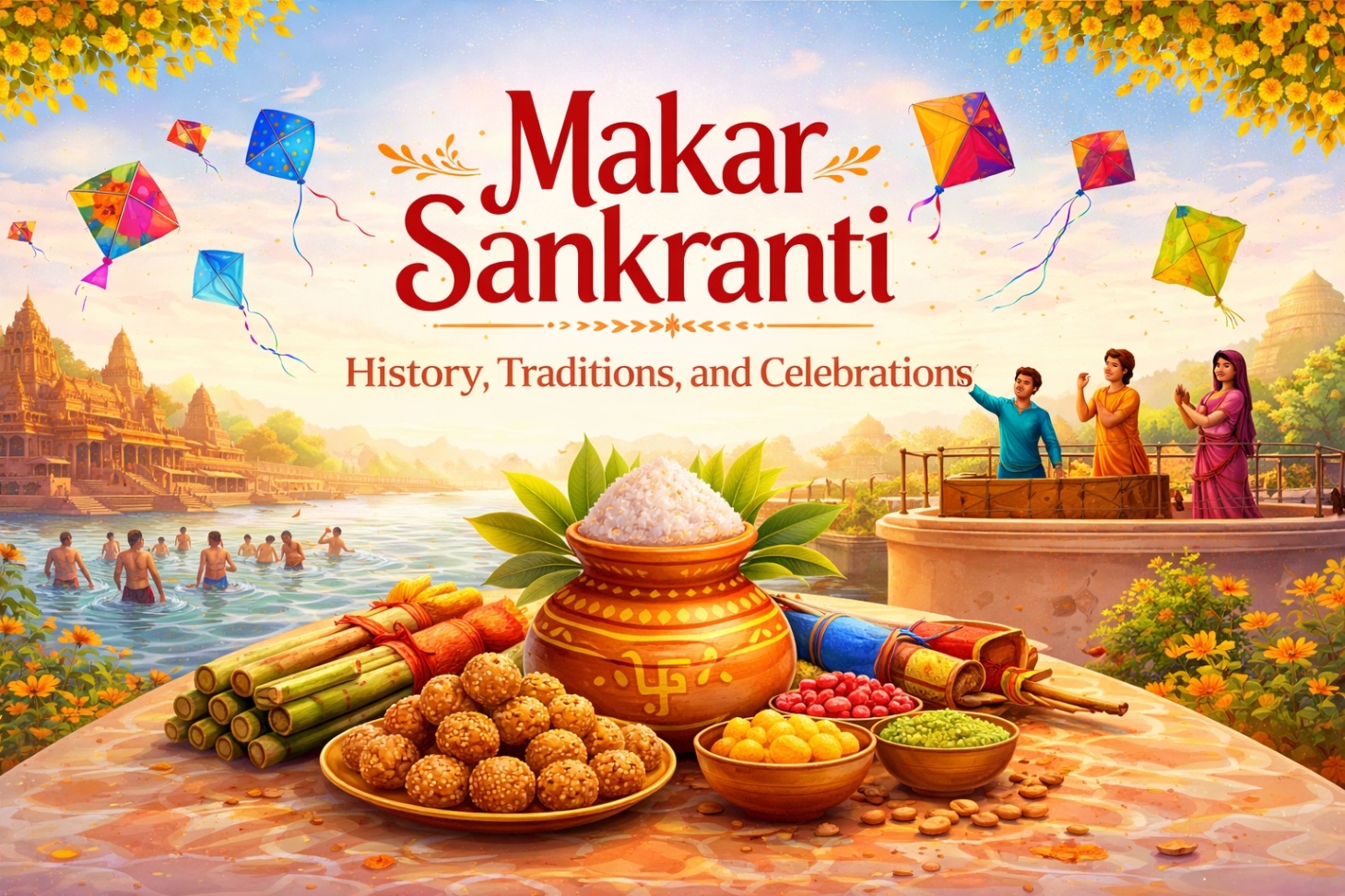
Unlike many Indian festivals that follow the lunar calendar, Makara Sankranti is based on the solar cycle, making its date relatively fixed—usually January 14 or 15. This celestial shift has deep spiritual, agricultural, and cultural significance across the country.
The Spiritual Significance of Makara Sankranti
Makara Sankranti represents the Sun’s northward journey, known as Uttarayana, which is considered highly auspicious in Hindu tradition. It symbolizes enlightenment, positivity, and progress—moving away from darkness toward light.
Many people take holy dips in rivers like the Ganga, Yamuna, and Godavari on this day, believing it washes away sins and invites prosperity. Acts of charity, especially donating food, clothes, and sesame seeds (til), are considered especially rewarding.
A Festival of Harvest and Gratitude
For farmers, Makara Sankranti is a celebration of a successful harvest. It is a time to thank nature, the Sun, and the Earth for abundance and sustenance. Fields turn golden, granaries are full, and homes resonate with joy and hope for the coming year.
Different Names, One Spirit
Makara Sankranti is celebrated across India under various names, each adding its own cultural flavor:
Pongal in Tamil Nadu – a four-day harvest festival honoring the Sun God
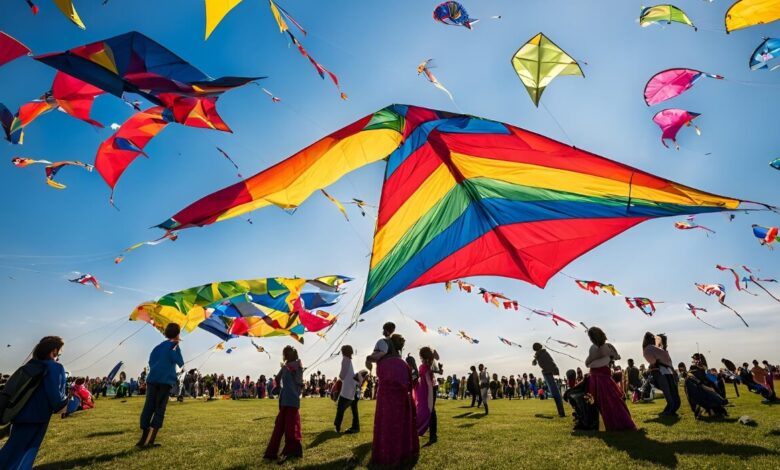
Uttarayan in Gujarat – famous for colorful kite-flying competitions
Lohri in Punjab – celebrated with bonfires, folk songs, and dances
Magh Bihu in Assam – marked by feasts and traditional sports
Despite regional differences, the essence remains the same: gratitude, renewal, and togetherness.
Sweet Traditions and Festive Foods
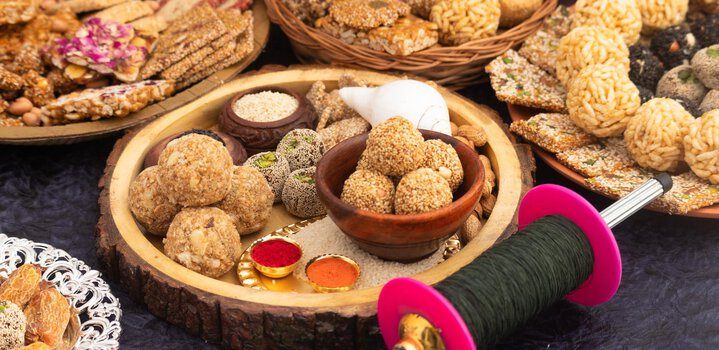
Food plays a central role in Makara Sankranti celebrations. Dishes made from sesame seeds and jaggery are common, symbolizing warmth, unity, and sweetness in relationships. Popular delicacies include tilgul laddoos, chikki, pongal, and puran poli.
The famous saying, “Til-gul ghya, god god bola” (Accept these sweets and speak sweetly), beautifully captures the spirit of harmony and goodwill.
Kites in the Sky, Joy in the Heart
In many parts of India, especially Gujarat and Maharashtra, Makara Sankranti is synonymous with kite flying. The skies fill with vibrant colors, symbolizing freedom, joy, and the soaring of human aspirations.
Conclusion
Makara Sankranti is more than just a festival—it is a celebration of life’s cycles, nature’s generosity, and the promise of new beginnings. It reminds us to express gratitude, let go of negativity, and welcome positivity with open hearts.
As the Sun begins its northward journey, may it bring warmth, prosperity, and happiness into everyone’s lives.


