Punjab
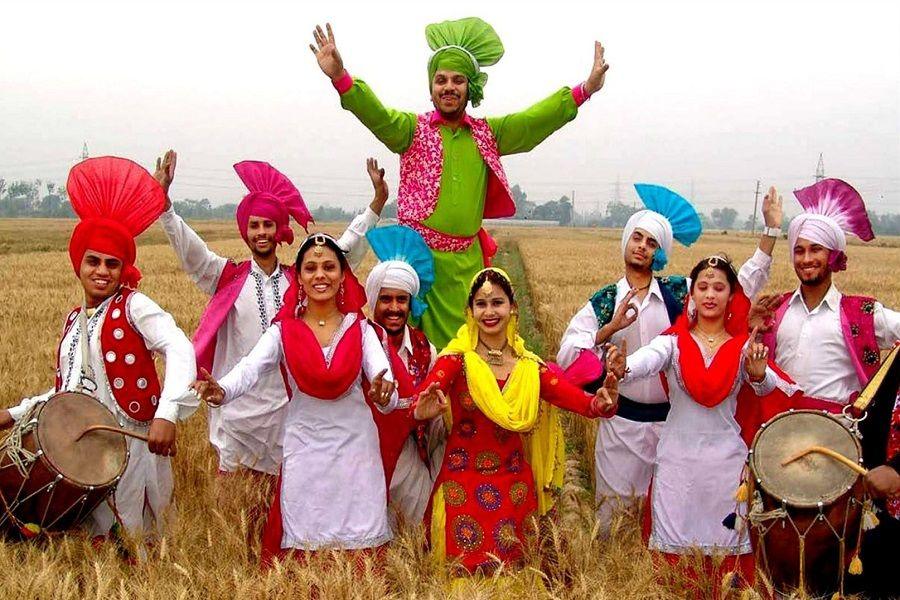
Punjab has a rich and vibrant culture known for its energy, hospitality, and strong community spirit. Punjabi people are warm and welcoming, and respect for elders is an important value. The Punjabi language is widely spoken, and folk music and dance play a big role in daily life. Bhangra and Giddha are famous traditional dances that reflect joy and celebration. Agriculture, especially wheat and rice farming, shapes much of Punjab’s traditional lifestyle.
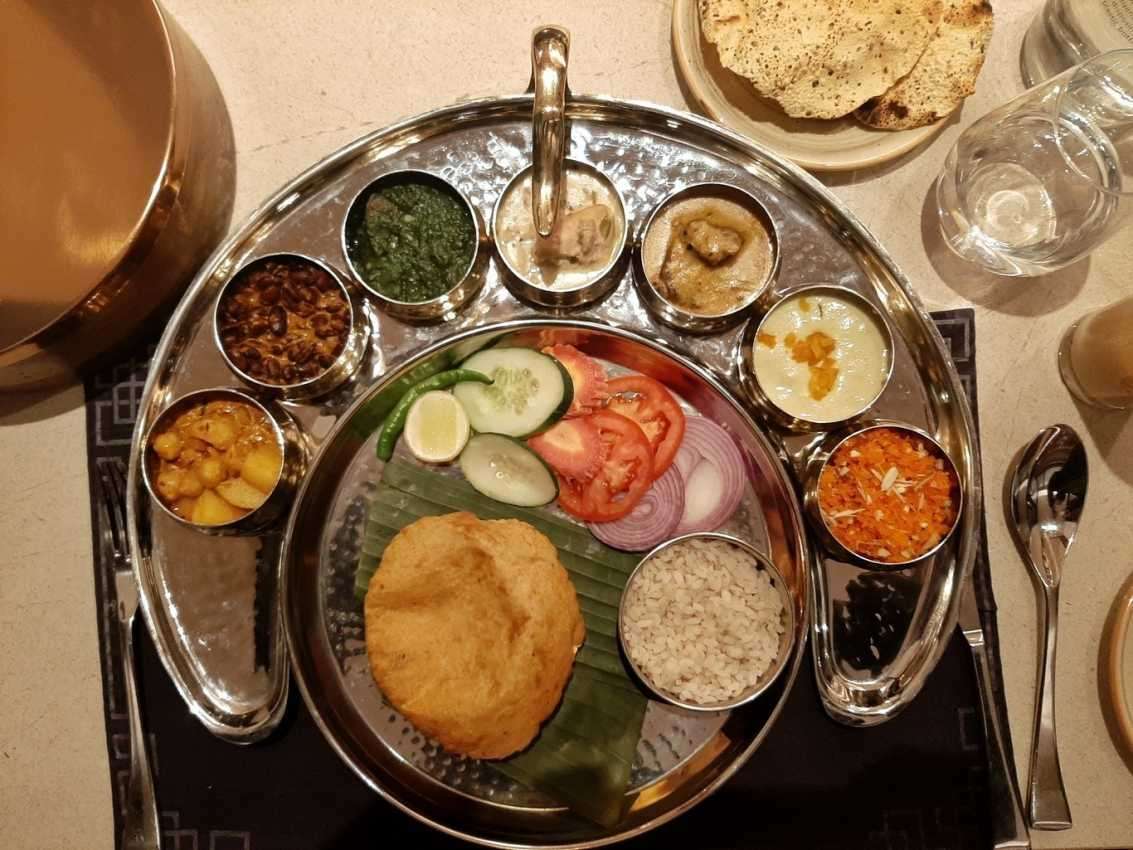
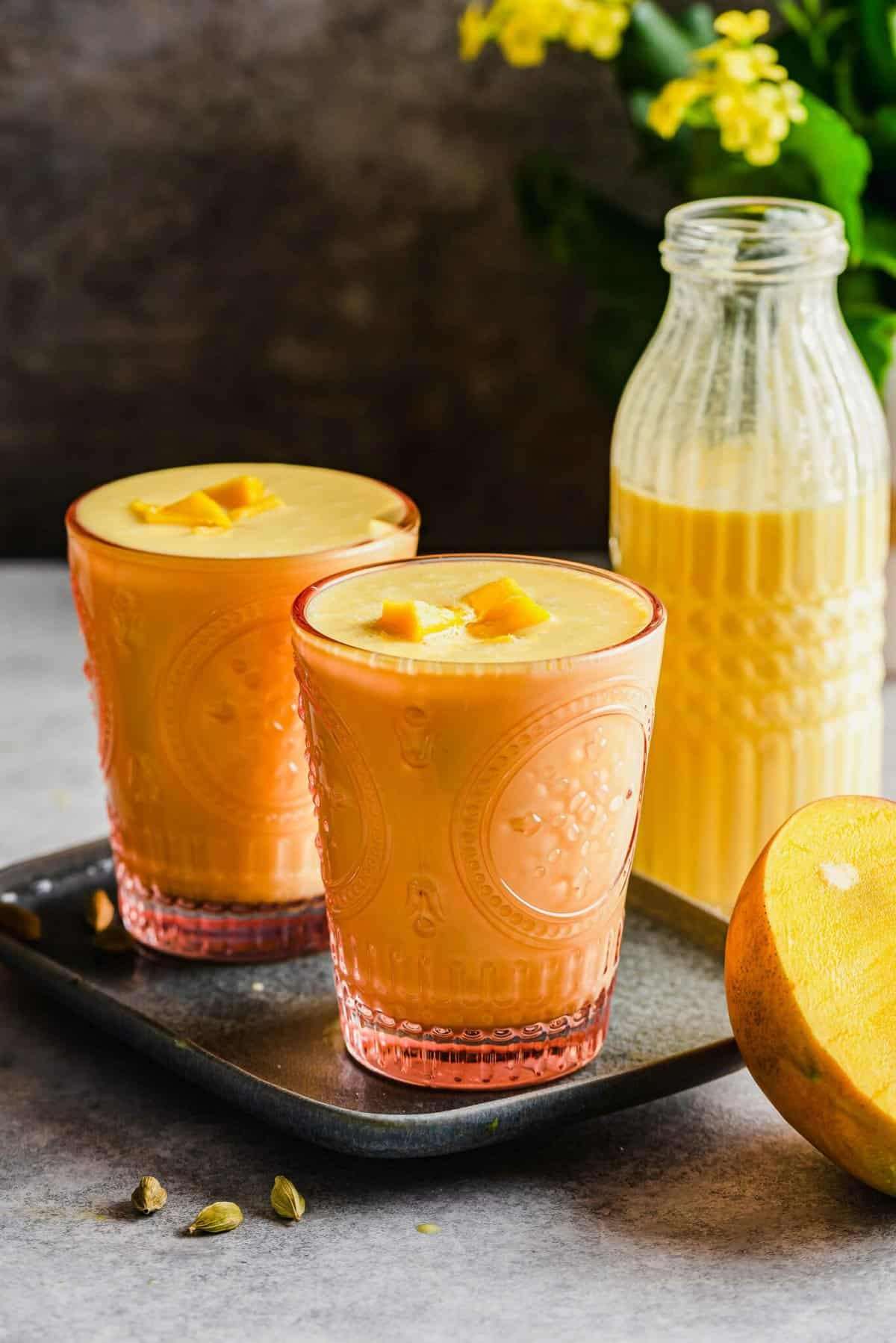
Punjabi cuisine is hearty and flavorful, with popular dishes like makki di roti, sarson da saag, butter chicken, and lassi. Traditional clothing includes salwar kameez for women and kurta-pajama or dhoti for men, often worn with colorful turbans. Festivals such as Baisakhi, Lohri, and Gurpurab are celebrated with great enthusiasm. Overall, Punjab’s culture represents strength, happiness, and unity, making it one of India’s most lively cultural regions.
Rajasthan
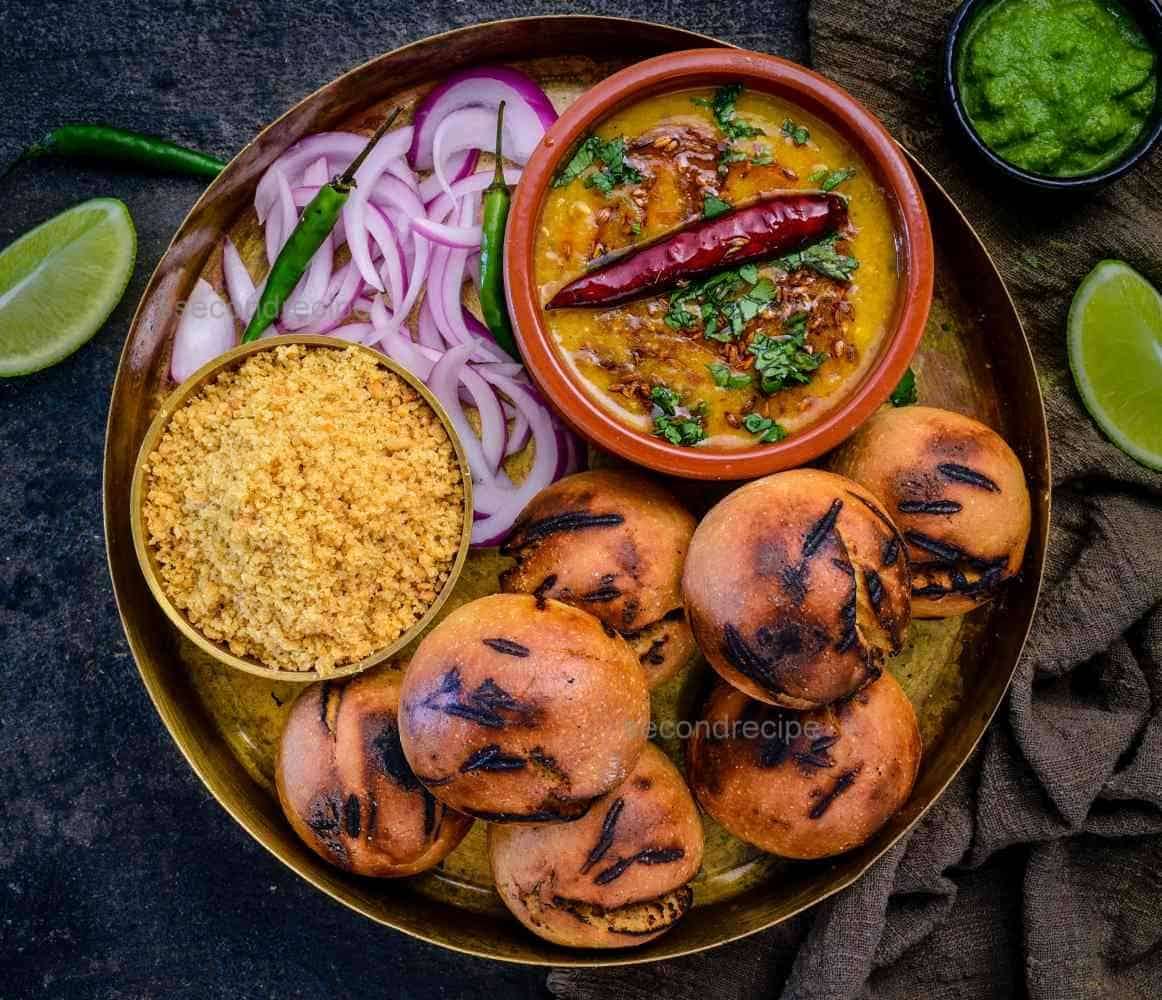
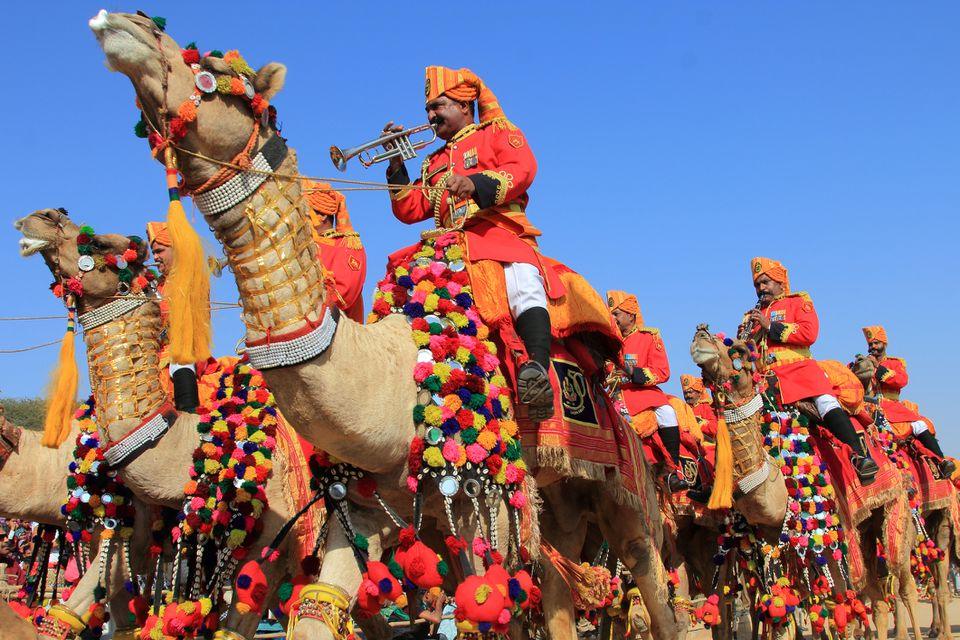
Rajasthani culture is colorful and rich in tradition. Folk music and dances like Ghoomar and Kalbeliya are very popular. Traditional food includes dal baati churma, gatte ki sabzi, and ker sangri. Women wear ghagra-choli with heavy jewelry, while men wear dhoti-kurta and colorful turbans. Major festivals include Teej, Gangaur, and the Desert Festival. Rajasthan is also famous for its royal heritage, forts, and palaces. Handicrafts such as block printing, pottery, and jewelry are world-famous. Hospitality and respect for guests are important values in Rajasthani culture.
Gujarat
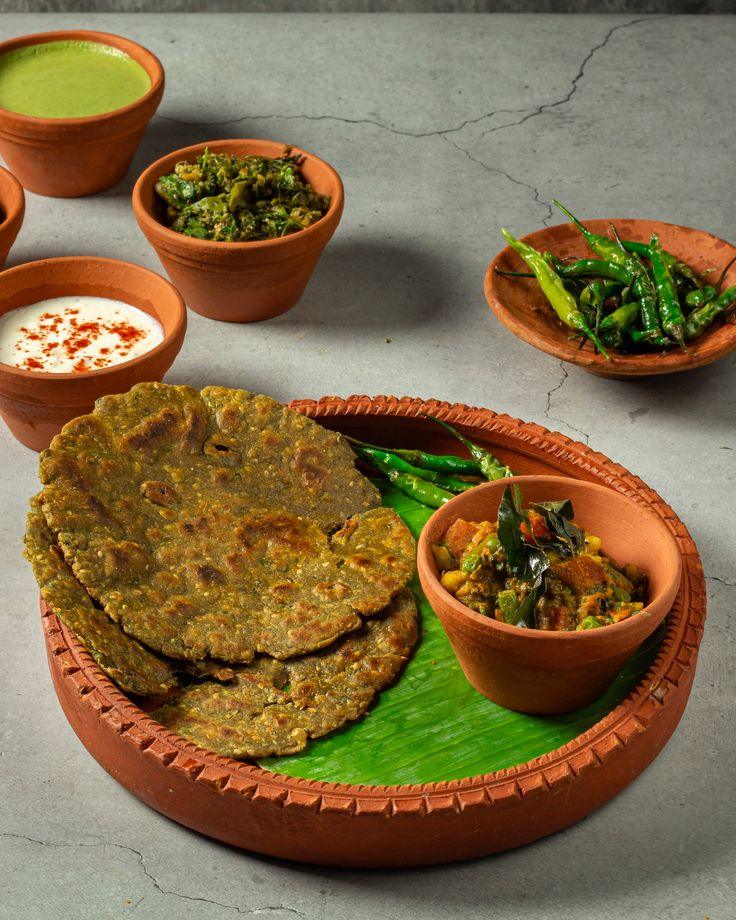
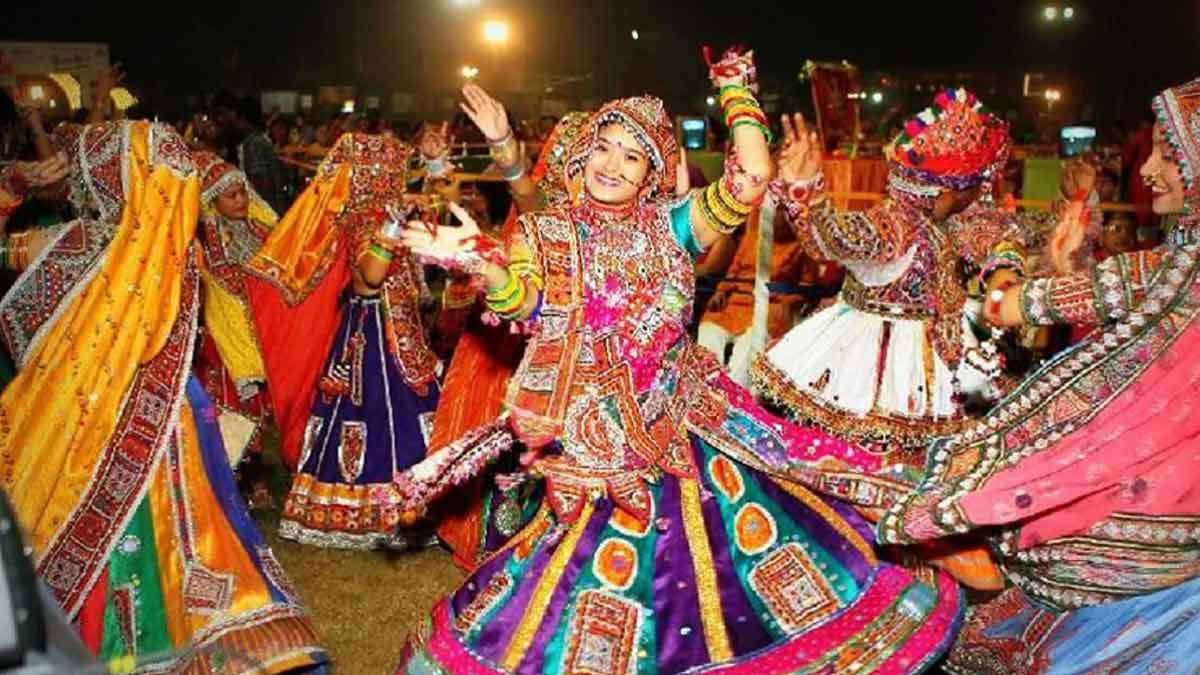
Gujarati culture is vibrant and festive, known for its joyful celebrations and strong traditions. Garba and Dandiya Raas dances are especially popular during festivals. The food is mostly vegetarian, with dishes such as dhokla, thepla, khandvi, and undhiyu. Traditional dress for women includes chaniya choli, while men wear kediyu and dhoti. Navratri is the most important festival and is celebrated with great enthusiasm. Gujaratis are known for their hospitality and business skills. The Gujarati language and folk music are important cultural elements. Family values and community life play a strong role in daily living.
Maharashtra
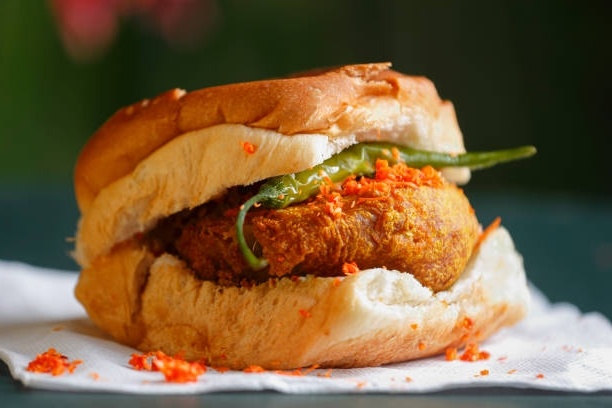
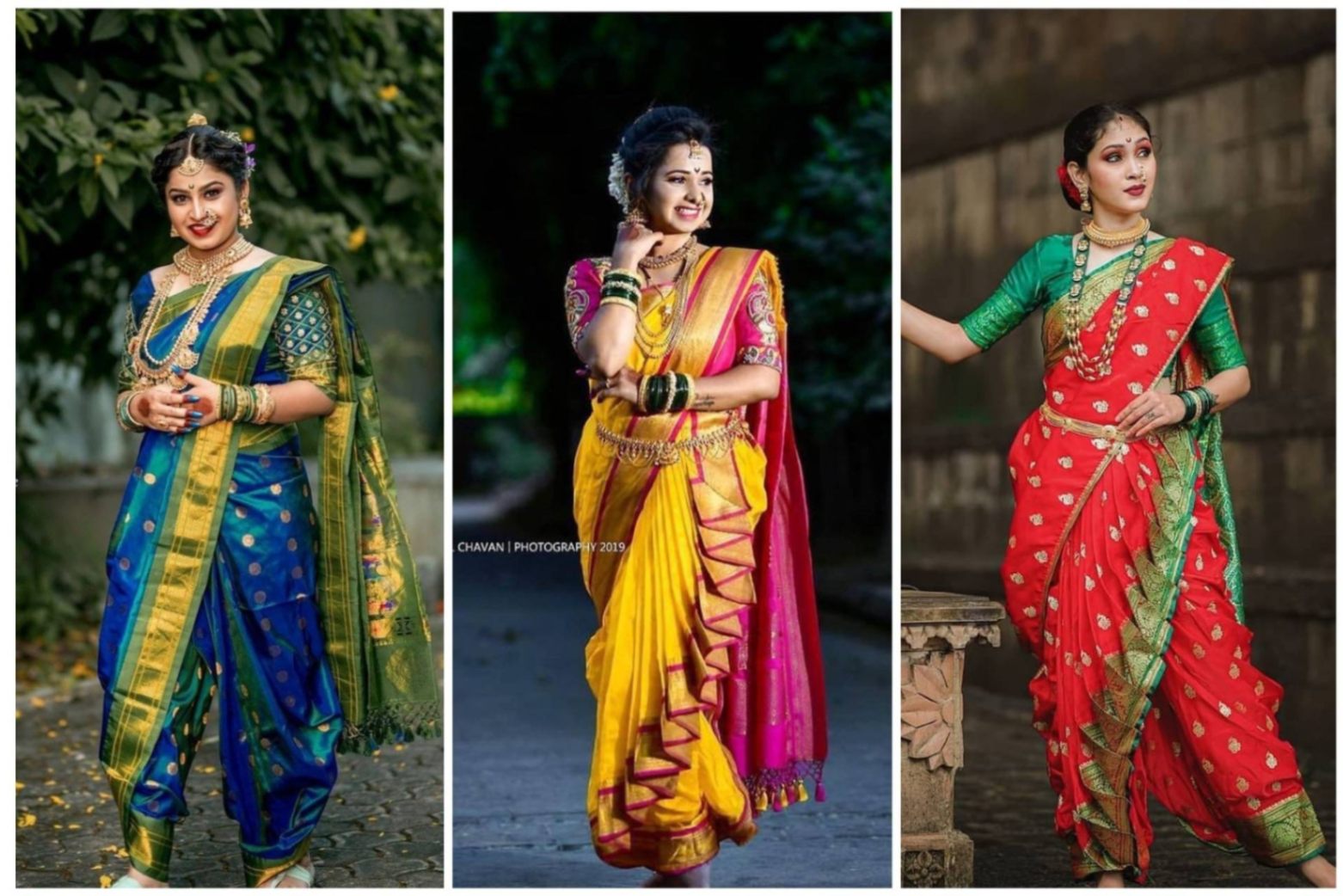
Maharashtrian culture blends rich traditions with modern life. Lavani dance and Marathi theatre are important cultural art forms. Popular foods include vada pav, puran poli, bhakri, and misal pav. Traditional clothing for men includes dhoti-kurta, while women wear the nauvari saree. Ganesh Chaturthi is the most widely celebrated festival and brings communities together. The Marathi language and literature have a strong cultural influence. Maharashtra has a proud history of the Maratha warriors. Respect for social values, education, and hard work is deeply rooted in Maharashtrian culture.
West Bengal
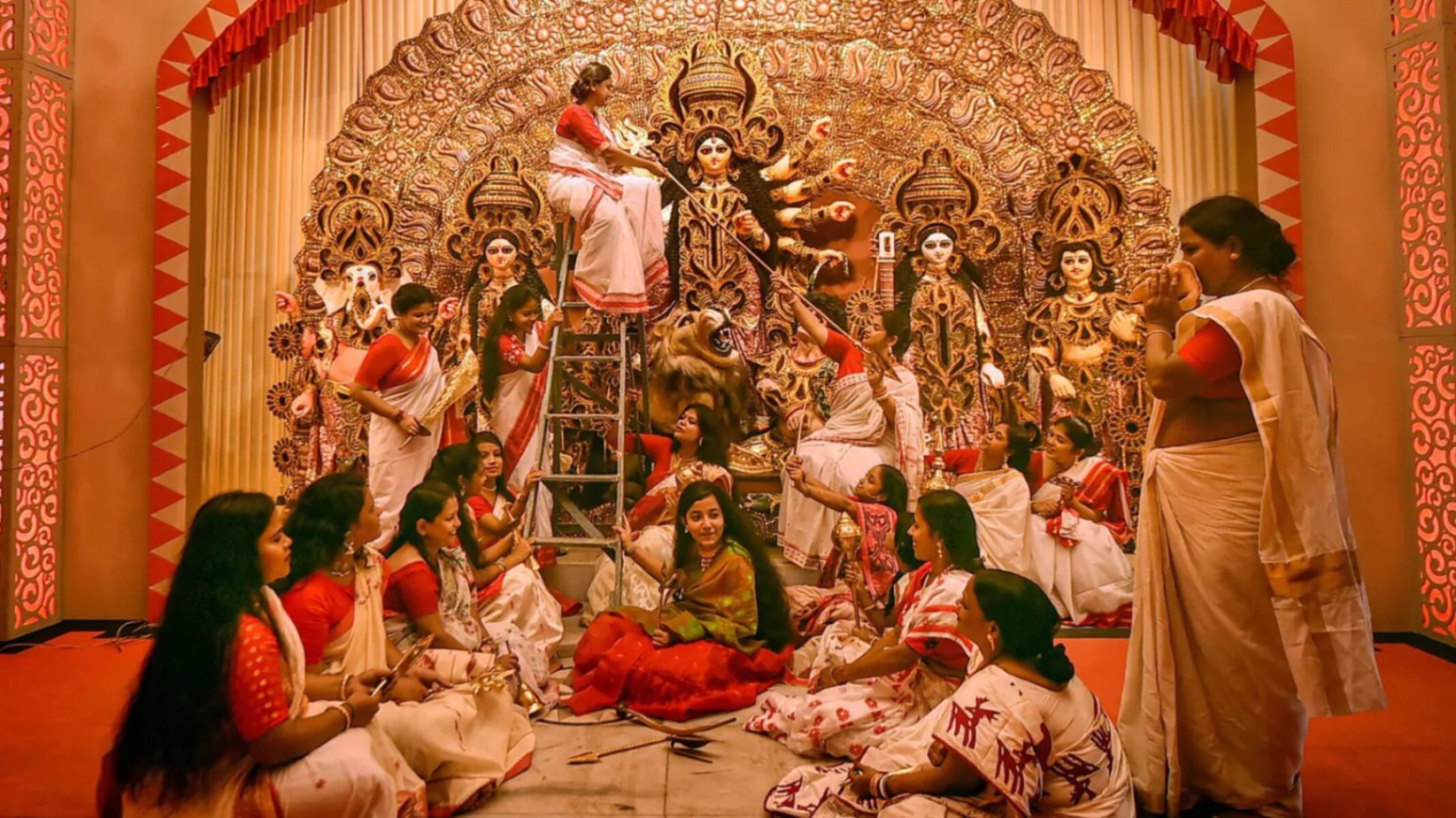
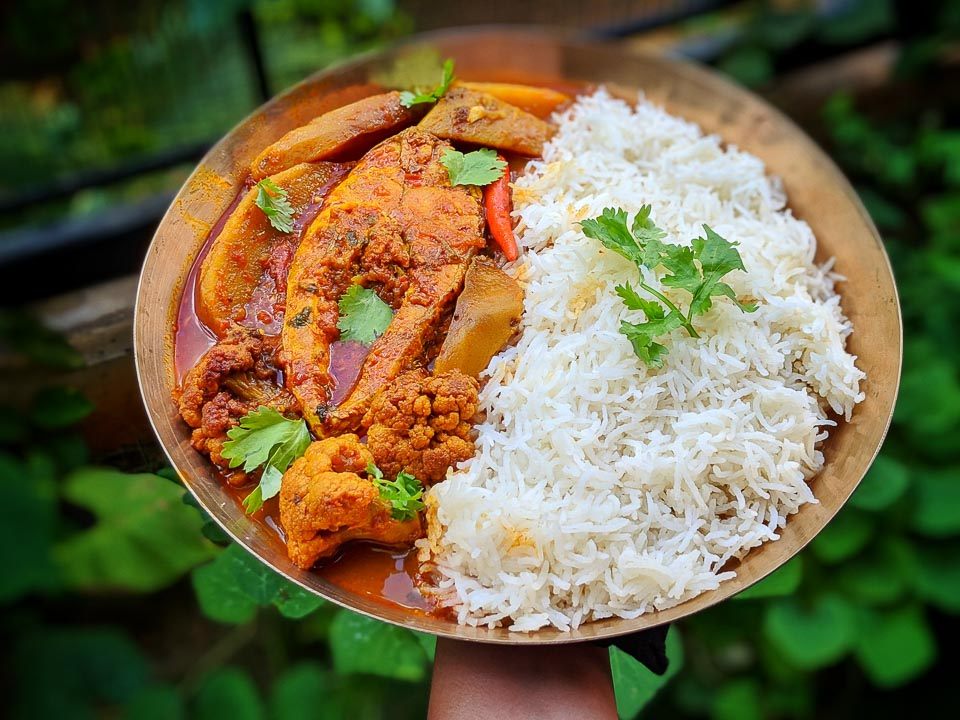
Bengali culture strongly values art, literature, and music and has a deep intellectual tradition. Rabindra Sangeet, written by Rabindranath Tagore, is very popular and reflects emotional depth. The staple food includes rice and fish curry, along with sweets like rosogolla and mishti doi. Women traditionally wear sarees, while men wear dhoti and kurta. Durga Puja is the most important festival and is celebrated with great devotion and creativity. Bengali culture is also known for its theatre, cinema, and poetry. The Bengali language holds a rich literary heritage. Cultural discussions and artistic expression are an important part of daily life.
Tamil Nadu
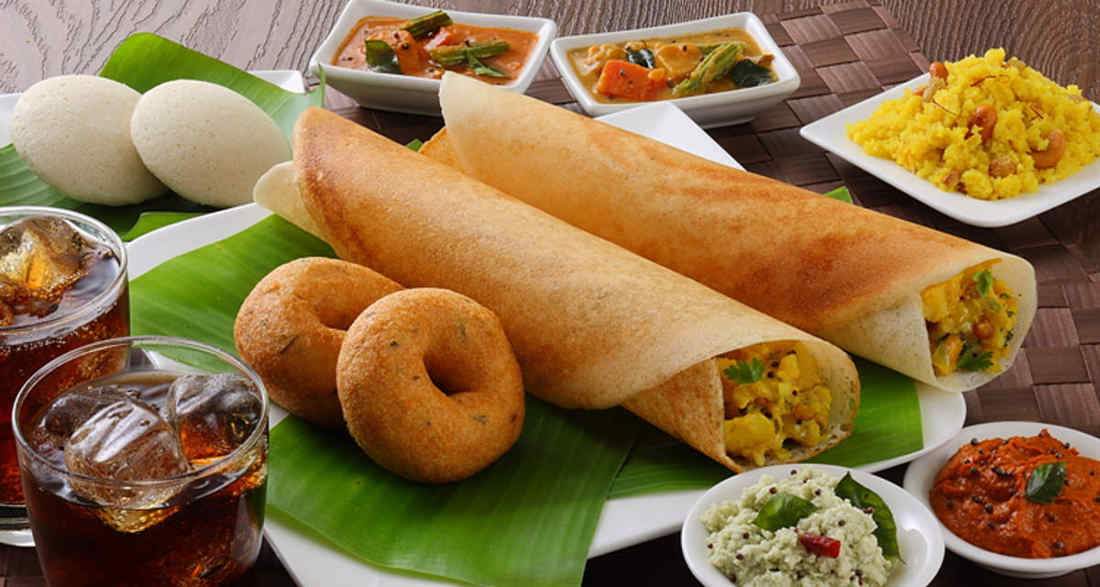
Tamil culture is one of the oldest and most ancient cultures in the world, deeply rooted in tradition. Bharatanatyam is a famous classical dance that expresses stories through graceful movements. Traditional food includes idli, dosa, sambar, rasam, and curd rice, which are commonly eaten. Women traditionally wear sarees, while men wear veshti (dhoti). Pongal is the major harvest festival and is celebrated with joy and gratitude. Temples play an important role in Tamil cultural life. The Tamil language has a rich literary history. Respect for customs, rituals, and family values is strongly maintained.
Kerala
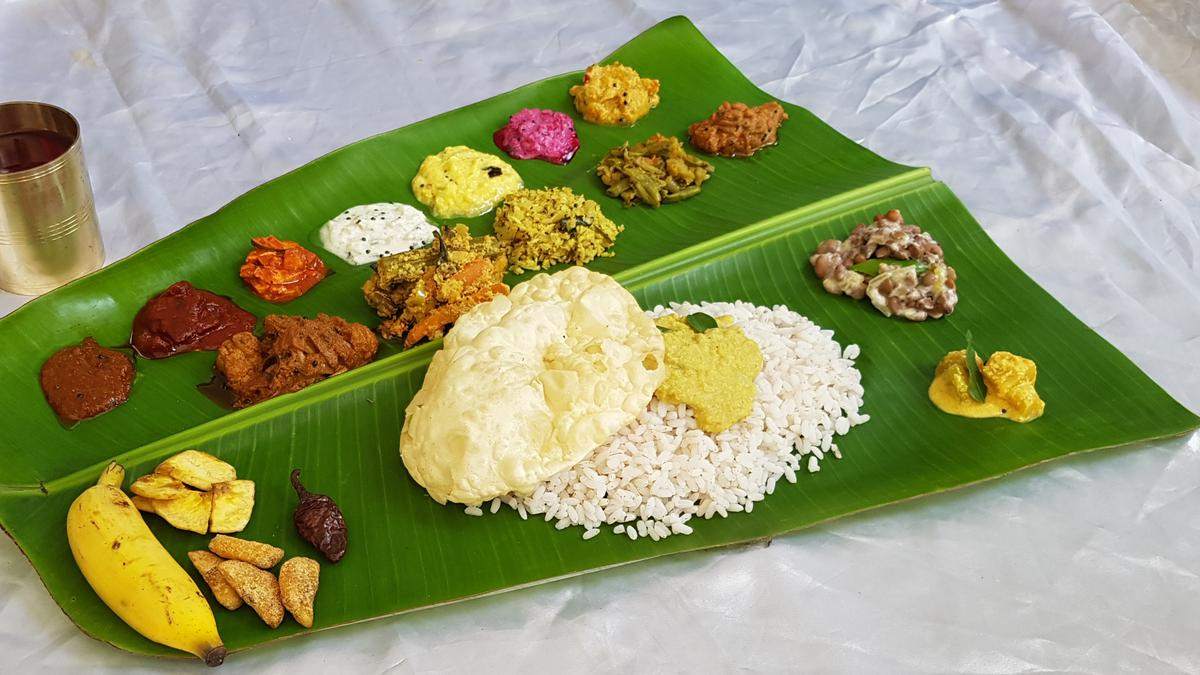
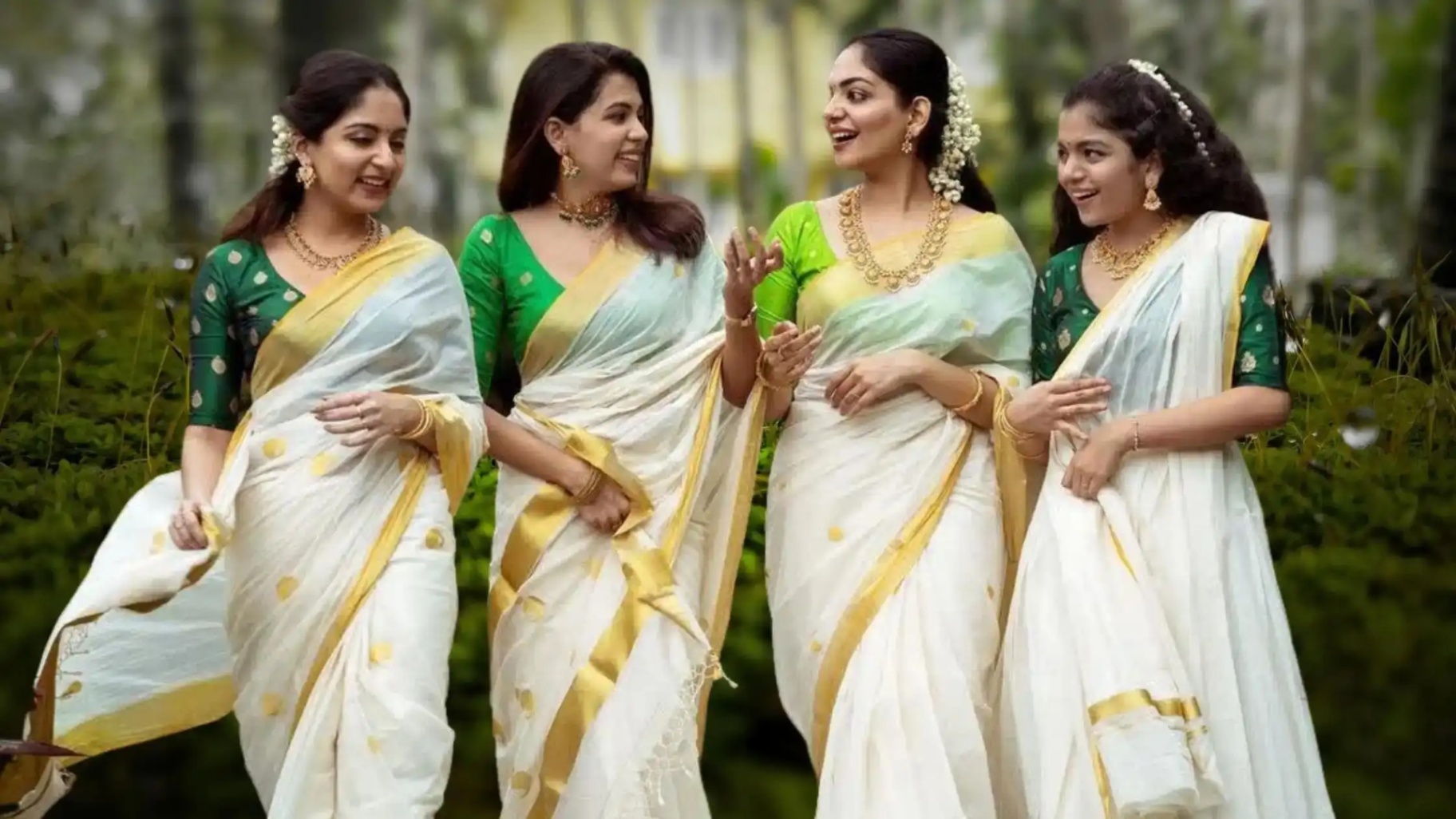
Kerala culture is closely connected to nature, greenery, and water bodies. Kathakali and Mohiniyattam are famous traditional dance forms that reflect rich storytelling. Traditional food includes rice, coconut-based dishes, and the grand vegetarian feast called sadya. Men traditionally wear mundu, and women wear the elegant kasavu saree. Onam is the most widely celebrated festival and marks the harvest season. Kerala is also known for its high literacy rate and social awareness. Ayurveda and traditional medicine are important cultural elements. Religious harmony and peaceful living are strongly valued.
Karnataka
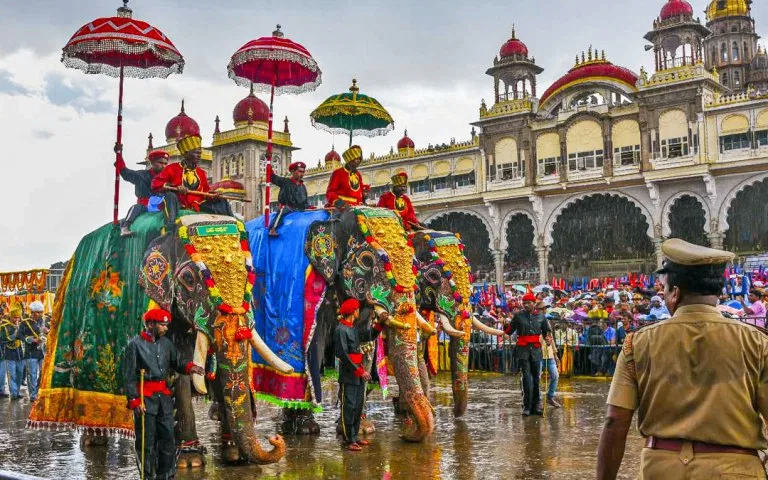
Karnataka culture includes rich traditions of classical music and folk dances such as Yakshagana, which combines dance, music, and drama. The cuisine is diverse and includes popular dishes like dosa, bisi bele bath, ragi mudde, and akki rotti. Traditional clothing for women includes sarees, while men wear panche (dhoti). Mysuru Dasara is a grand festival celebrated with royal processions and cultural events. The Kannada language plays an important role in cultural identity. Karnataka is known for its strong heritage in art, literature, and education. The state reflects a blend of ancient traditions and modern development.
Andhra Pradesh
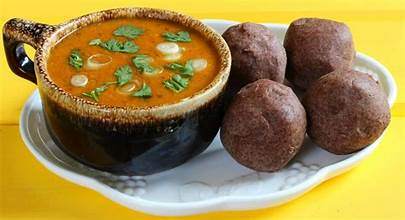
Andhra culture is rich in classical dance, music, and flavorful cuisine. Kuchipudi is a famous classical dance that originated in the state and is known for its graceful expressions. The food is generally spicy and includes rice, lentil dishes, pickles, and a variety of curries. Women traditionally wear sarees, while men wear dhoti. Sankranti is widely celebrated as a harvest festival with great enthusiasm. The Telugu language plays a central role in cultural identity. Temples and religious traditions are important in daily life. Hospitality and respect for traditions are strong cultural values.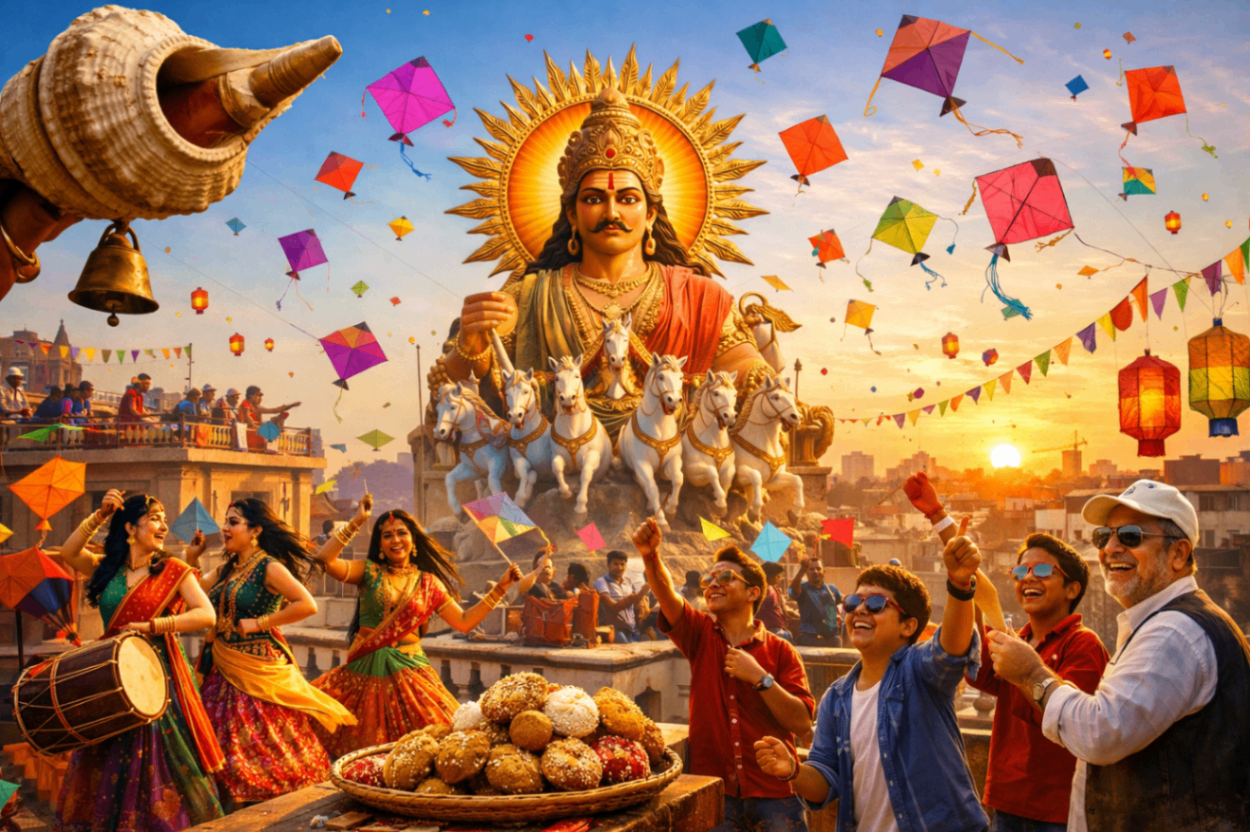
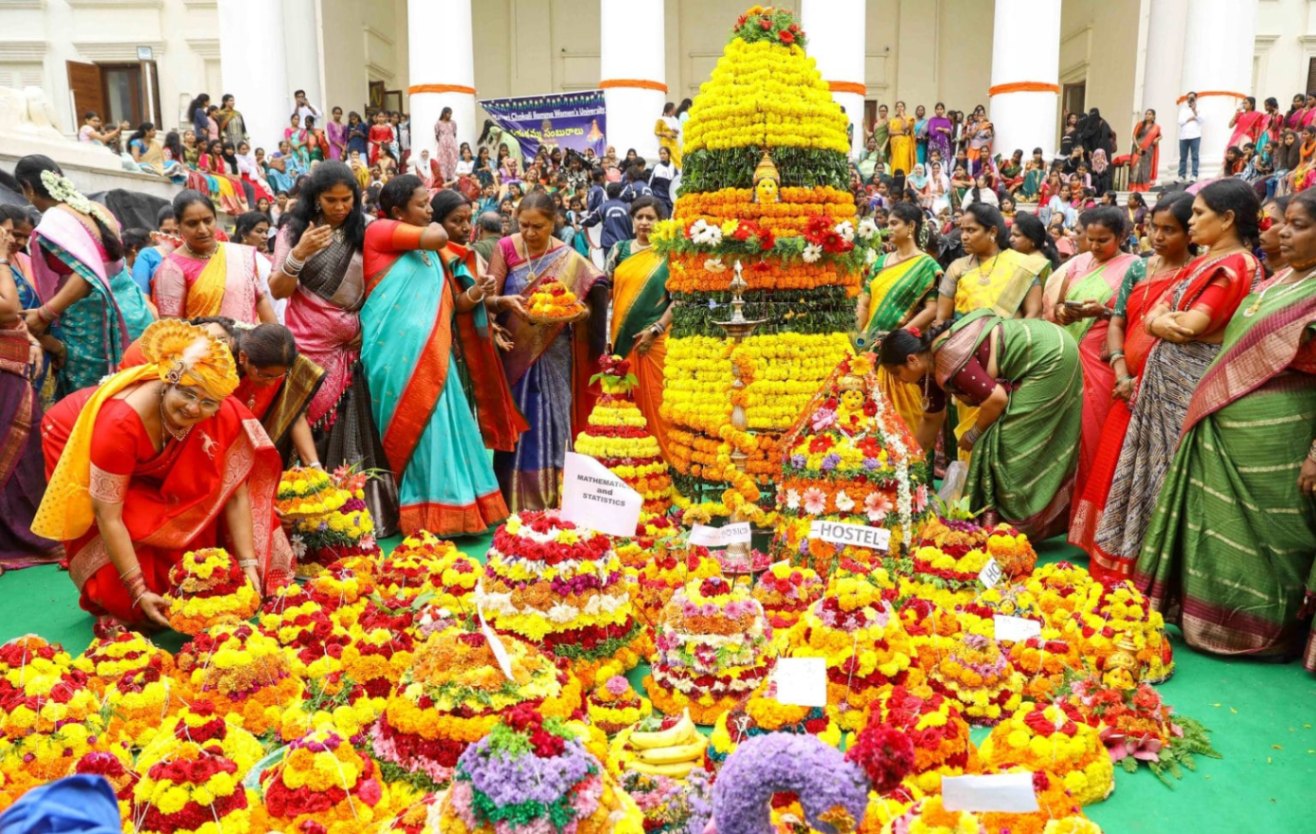
Telangana culture is vibrant and deeply folk-oriented, reflecting strong village traditions. Perini Shivatandavam is a famous traditional dance associated with warriors, and Bonalu is an important festival honoring local deities. The cuisine includes Hyderabadi biryani, millet-based dishes, and spicy curries. Women traditionally wear sarees, while men wear dhotis. Bathukamma is a major floral festival celebrated with great devotion by women. The Telugu language, along with Urdu, influences cultural expression. Handicrafts such as Bidri work and weaving are well known. Community bonding and cultural pride are key features of Telangana’s culture.
Uttar Pradesh
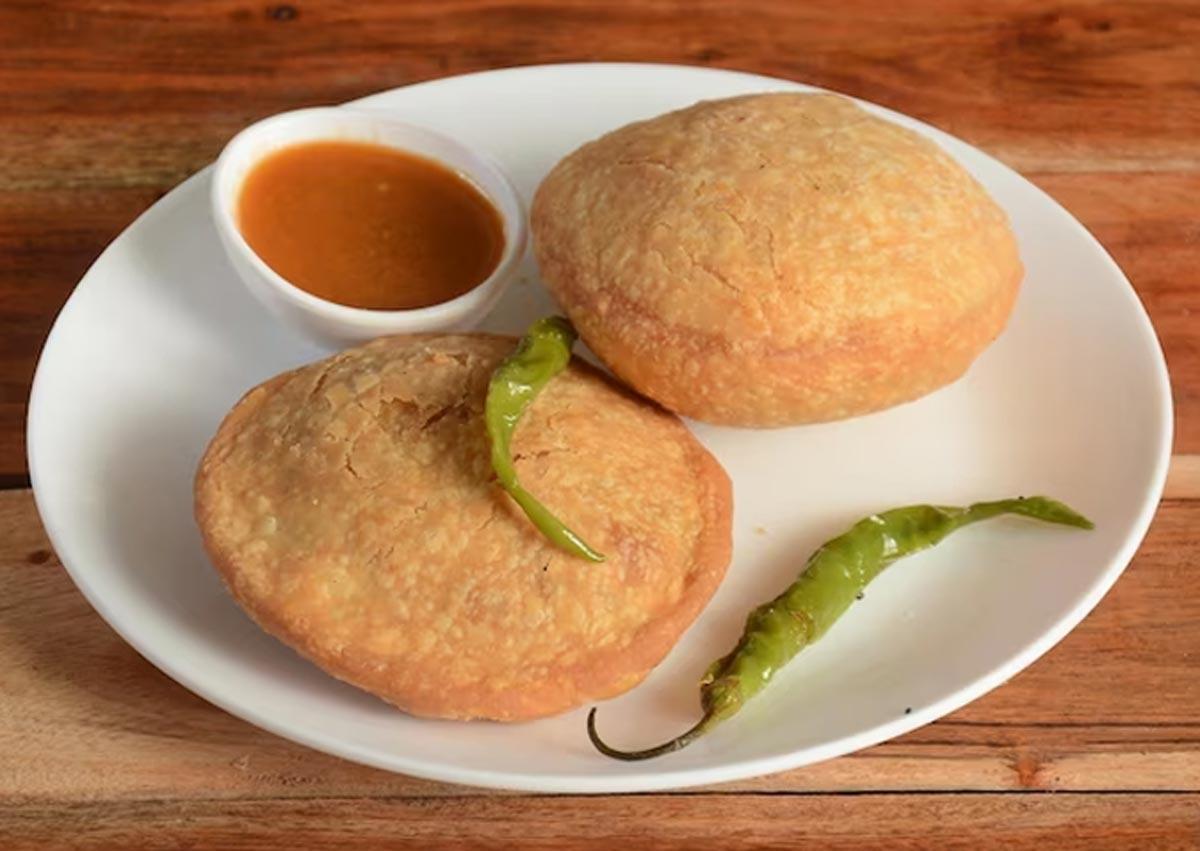
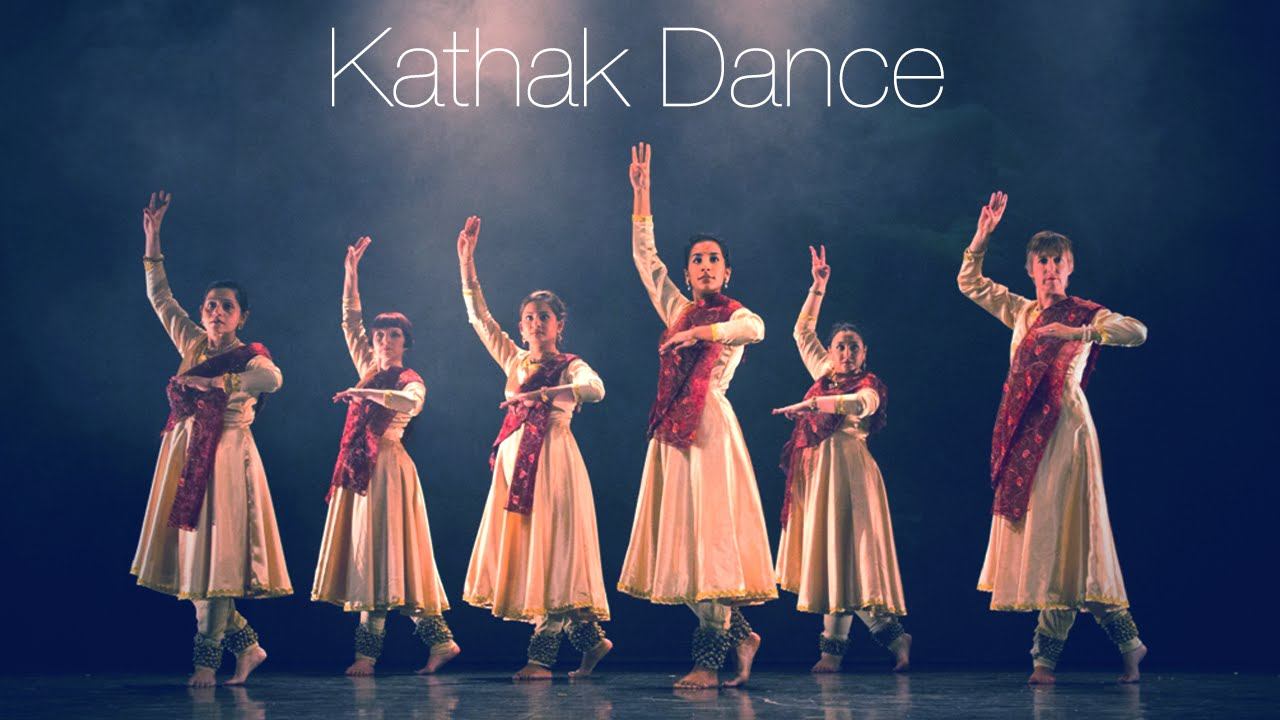
Uttar Pradesh culture is deeply rooted in history, religion, and tradition, with strong influences from ancient kingdoms and sacred cities. Kathak dance and Hindustani classical music are important cultural art forms. The cuisine is rich and varied, featuring kebabs, kachori, biryani, and sweets like peda. Women traditionally wear sarees, while men wear kurta-pajama. Festivals such as Diwali, Holi, Eid, and Janmashtami are widely celebrated. Hindi and Urdu are commonly spoken languages. Religious pilgrimages and fairs play an important role in cultural life. Hospitality and respect for tradition are strongly valued.
Bihar
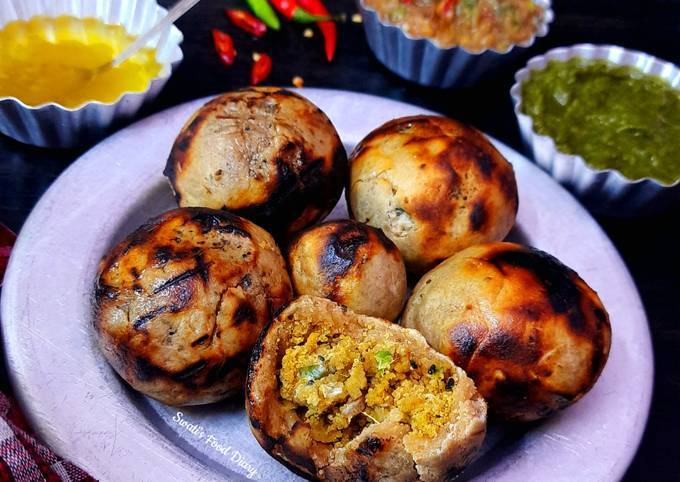
Bihari culture focuses strongly on tradition, simplicity, and folk art. Folk songs and dances are common and reflect daily life and nature. Traditional food includes litti chokha, along with rice and lentils. Women traditionally wear sarees, while men wear dhoti and kurta. Chhath Puja is the most important festival and is celebrated with great devotion to the Sun God. Languages like Bhojpuri, Maithili, and Magahi are widely spoken. Bihar has a rich ancient heritage with centers of learning like Nalanda. Respect for family values and cultural customs is deeply rooted.
Assam
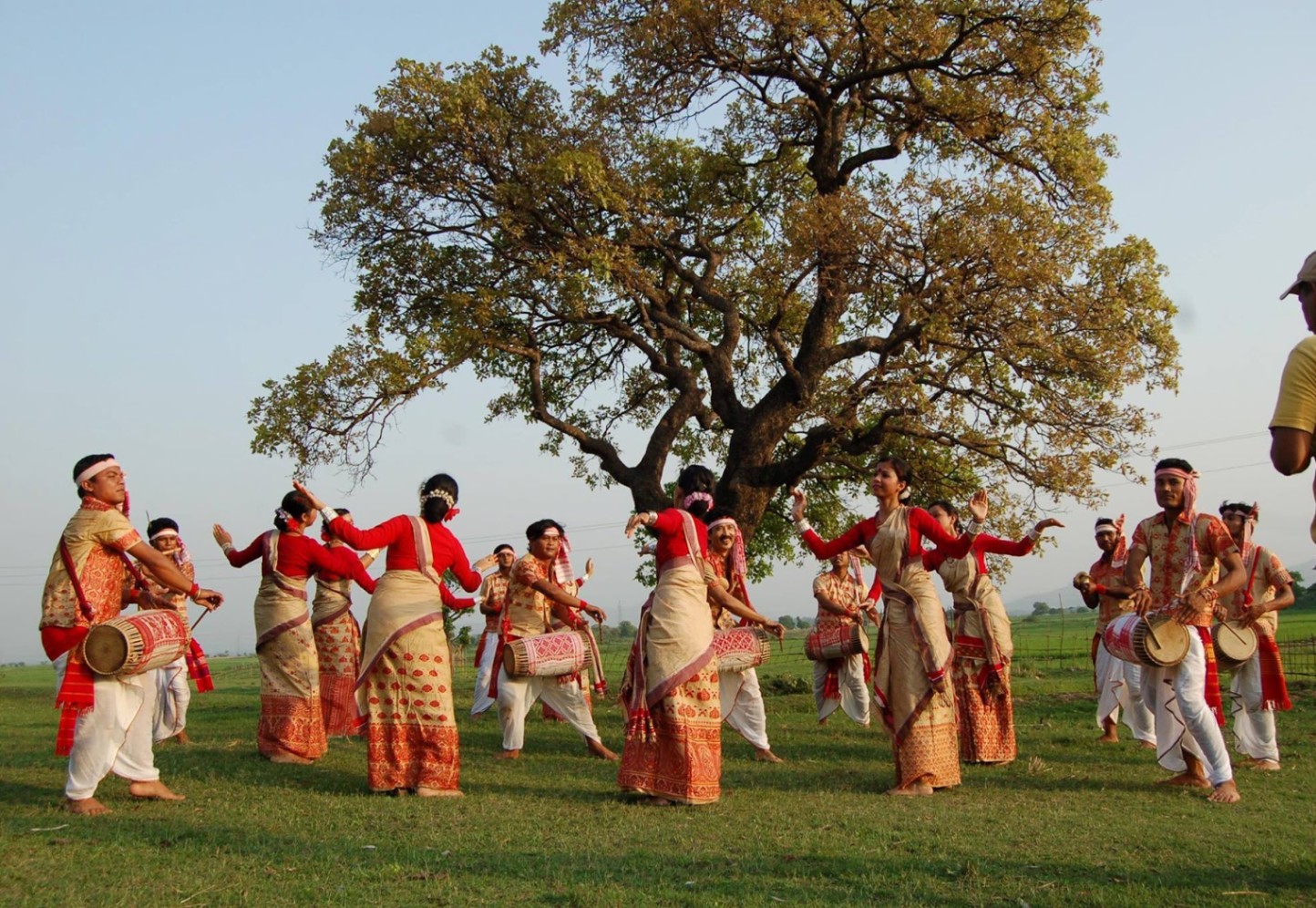
Assamese culture is simple, peaceful, and closely connected to nature and rivers. Bihu dance and music are popular and celebrate the agricultural cycle. The staple food includes rice and fish, along with traditional dishes prepared with local herbs. Women traditionally wear the mekhela chador, while men wear dhoti and gamocha. Bihu is the main festival and is celebrated three times a year with joy and enthusiasm. The Assamese language plays an important role in cultural identity. Handicrafts like bamboo and cane work are well known. Community harmony and respect for nature are key cultural values..
Odisha
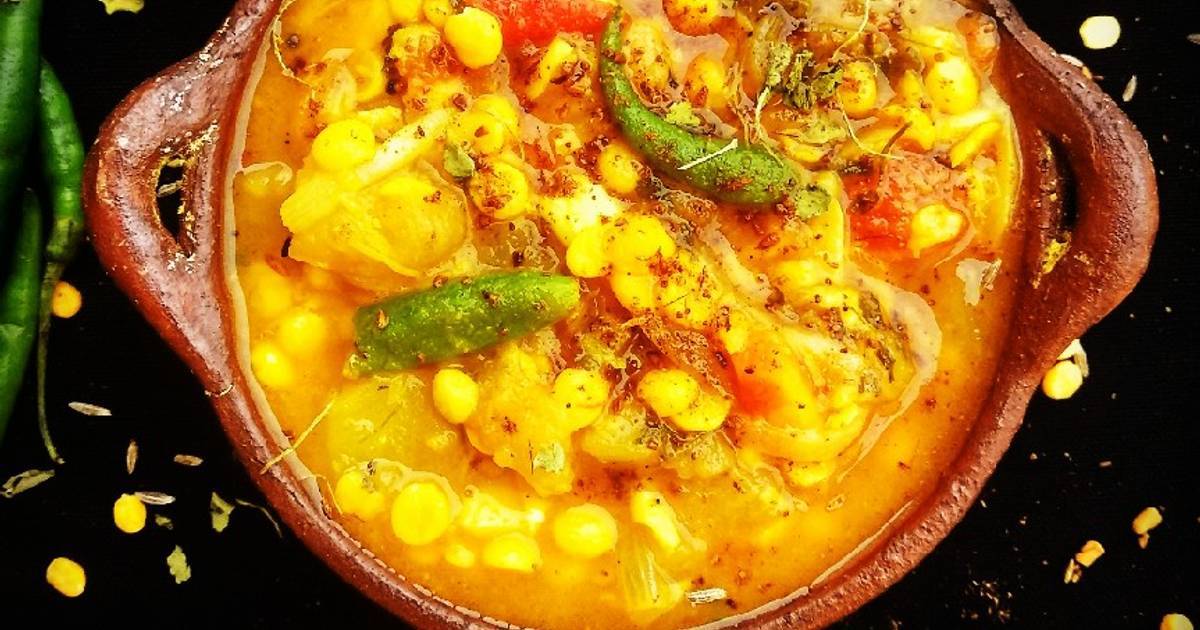
Odia culture is rich in classical arts, music, and spiritual traditions. Odissi dance is a famous classical dance form known for its graceful movements and expressions. The staple food includes rice and dalma, along with traditional sweets like chhena poda. Women traditionally wear sarees, while men wear dhoti and kurta. Rath Yatra, dedicated to Lord Jagannath, is widely celebrated and attracts devotees from all over the world. The Odia language has a strong literary heritage. Temple architecture plays an important role in cultural life. Respect for rituals and traditions is deeply rooted in Odia society.
Jammu & Kashmir
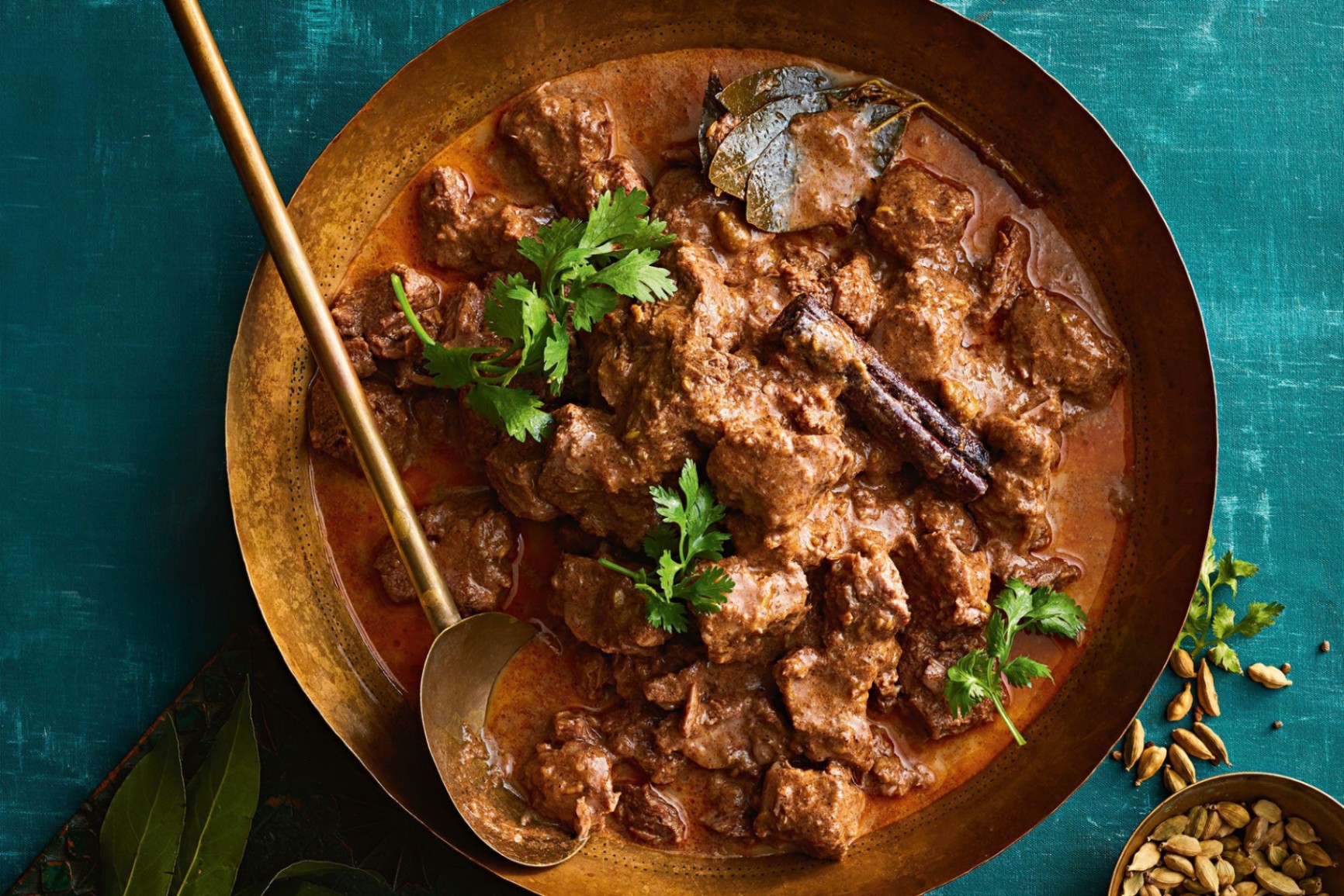
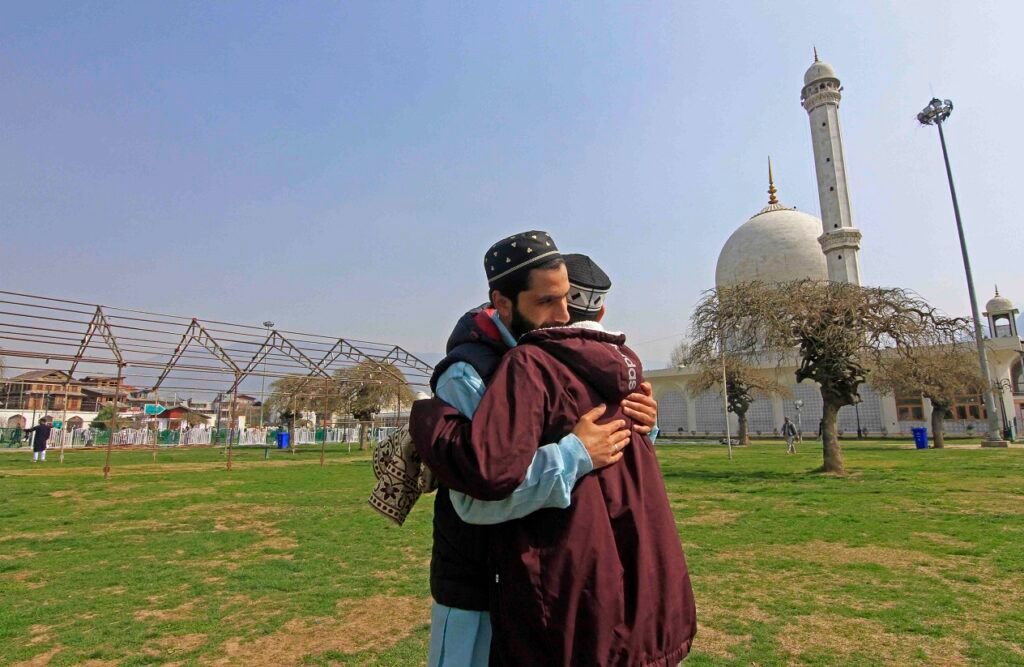
The culture of Jammu and Kashmir reflects mountain traditions and natural beauty. Folk music, traditional dances, and handicrafts like shawl weaving and wood carving are very important. Popular food includes rogan josh, rice dishes, and local breads. Traditional clothing includes the warm pheran, worn by both men and women. Festivals such as Eid, Lohri, and Navreh are celebrated across the region. Multiple languages, including Kashmiri, Dogri, and Urdu, are spoken. Hospitality and close community bonds are valued. The culture shows a blend of Hindu, Muslim, and Buddhist influences.
Himachal Pradesh
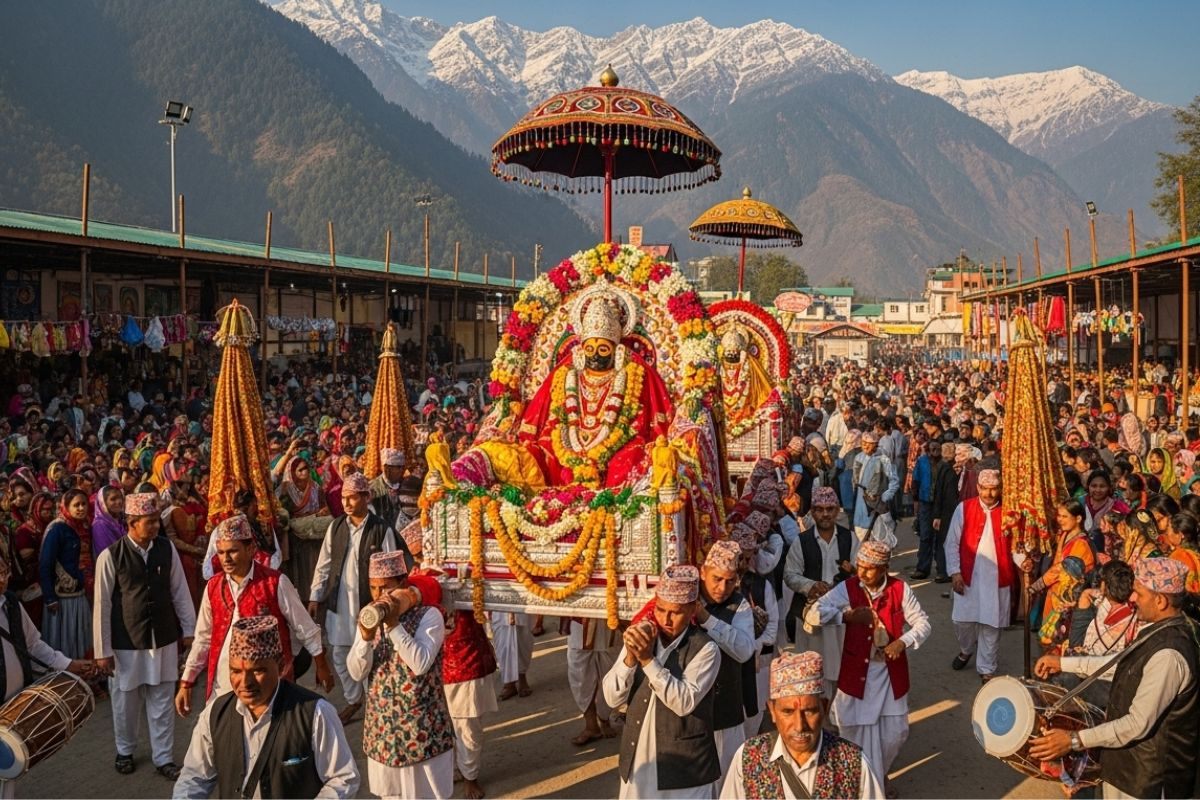
Himachali culture is strongly influenced by hill life and natural surroundings. Folk dances, folk songs, and local fairs are common and reflect village traditions. Traditional food includes dham, a festive meal prepared during celebrations. People wear woolen garments to protect themselves from the cold climate. Kullu Dussehra is a major festival celebrated with great enthusiasm. Languages and dialects like Pahari are widely spoken. Temples and religious customs play an important role in daily life. Simple living and close community ties define Himachali culture.