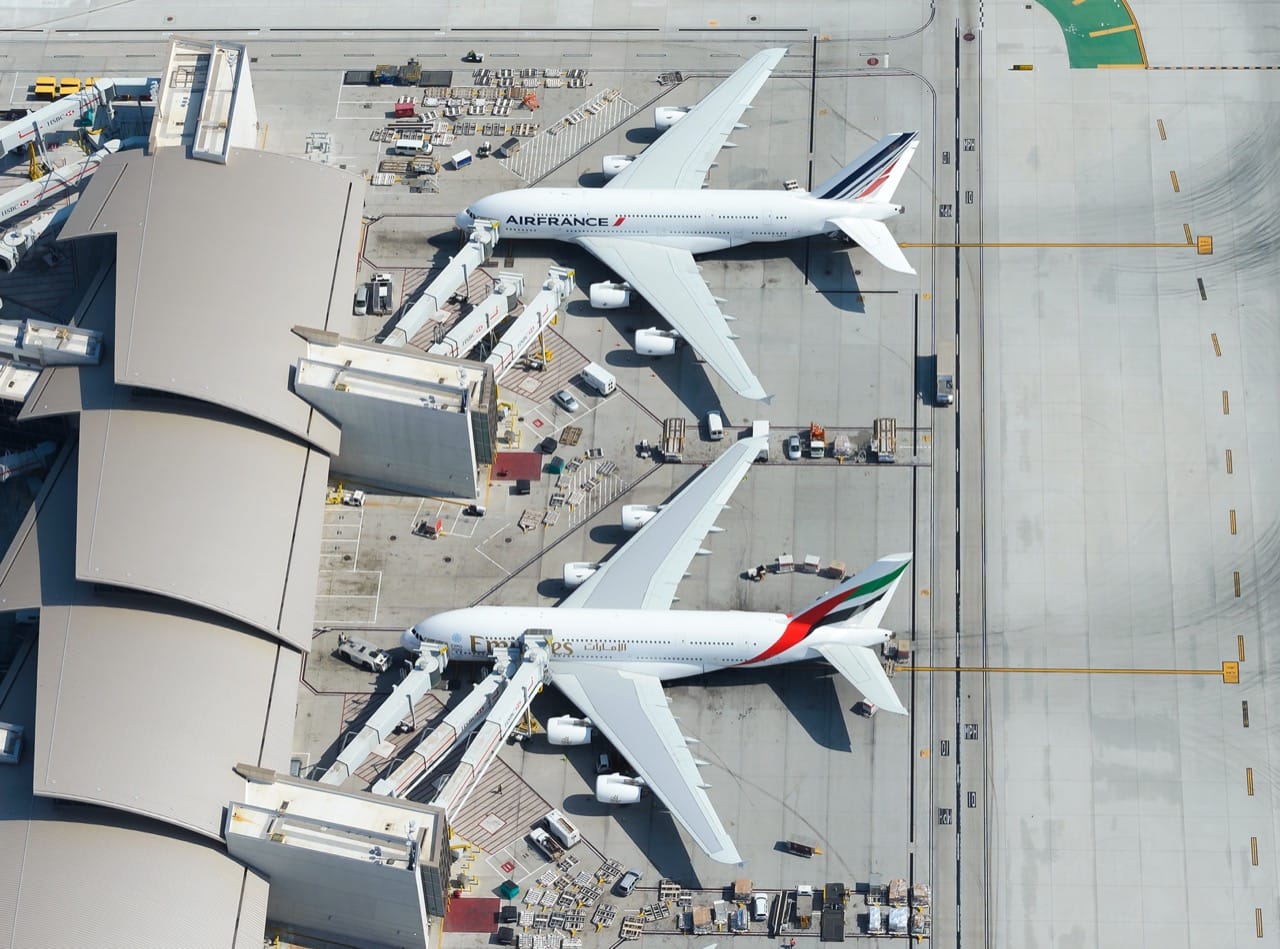
Middle East Aviation Risks: Why the Global Travel Industry Is Watching Closely
The global travel industry is facing a new challenge as geopolitical tensions in the Middle East begin to disrupt one of the world’s most important aviation corridors. Recent developments show how strongly international travel depends on a handful of airlines and transit hubs in the Gulf region.
From flight cancellations to rising ticket prices, the effects are already being felt by travelers and airlines across multiple continents.
The Middle East: A Critical Global Aviation Hub
Over the past two decades, the Middle East has become one of the most important crossroads in global aviation. Airlines such as Emirates, Qatar Airways, and Etihad Airways built powerful hub-and-spoke networks connecting Europe, Asia, Africa, and Australia through cities like Dubai, Doha, and Abu Dhabi.
This strategy turned the region into a major transfer point for international passengers. In fact, about 20% of travelers flying between Europe and Asia-Pacific routes use Middle Eastern airlines, highlighting how central these hubs are to global connectivity.
However, this concentration also creates vulnerability when the region faces instability.
Flight Disruptions and Airspace Closures
Recent geopolitical tensions have forced airlines to adjust operations rapidly. Several international carriers have canceled or suspended flights to major Middle Eastern hubs such as Dubai, Doha, and Abu Dhabi due to security concerns and airspace restrictions.
In some cases, airlines have had to reroute flights around conflict zones, adding hours to travel times and significantly increasing operational costs. These changes are affecting routes across Europe, Asia, and the Pacific.
For example, airlines including Lufthansa have diverted or canceled thousands of flights as regional tensions escalated, demonstrating how quickly disruptions in the Middle East can spread through the global aviation network.
Rising Costs and Reduced Flight Capacity
The impact is not limited to delays and cancellations. Airlines are also facing rising fuel costs and longer flight routes, both of which directly affect ticket prices.
Some airlines have already begun cutting services to manage higher operating costs. Air New Zealand recently announced it would reduce flights due to rising jet fuel prices linked to conflict-related disruptions in the region.
Industry analysts warn that prolonged instability could lead to:
Higher international airfare prices
Longer travel times due to rerouted flights
Reduced seat availability on key long-haul routes
Increased operational costs for airlines
A Fragile Global Travel Network
The current situation highlights a larger structural issue in global aviation. The industry has become highly efficient but also increasingly dependent on a small number of strategic hubs.
If disruptions occur in these hubs whether due to conflict, airspace closures, or security concerns the ripple effects can impact airlines, tourism businesses, and travelers worldwide.
Travel experts say the situation reveals how fragile global travel networks can be when they rely heavily on a single region.
What It Means for Travelers and the Travel Industry
For travelers, the key takeaway is flexibility. Airlines are advising passengers to regularly check flight updates and allow extra time for travel planning.
For the travel industry, the crisis is a reminder of the importance of diversification in aviation networks. Developing alternative routes and strengthening secondary hubs may help reduce the impact of regional disruptions in the future.
Conclusion
The Middle East remains a vital hub in the global aviation system, connecting millions of travelers every year. However, recent geopolitical tensions demonstrate how quickly disruptions in the region can affect international travel.


