Awaiting the Crescent: Ramadan May Begin on 18 or 19 February
What Is Ramadan?
Ramadan is the ninth month of the Islamic lunar calendar. Its timing shifts about 10–11 days earlier each year because the Islamic calendar follows the moon. Ramadan commemorates the period when the Qur’an was first revealed to the Prophet Muhammad, making it a deeply sacred month for Muslims.
Ramadan is not only about fasting—it is a time for spiritual growth, self-control, gratitude, and compassion.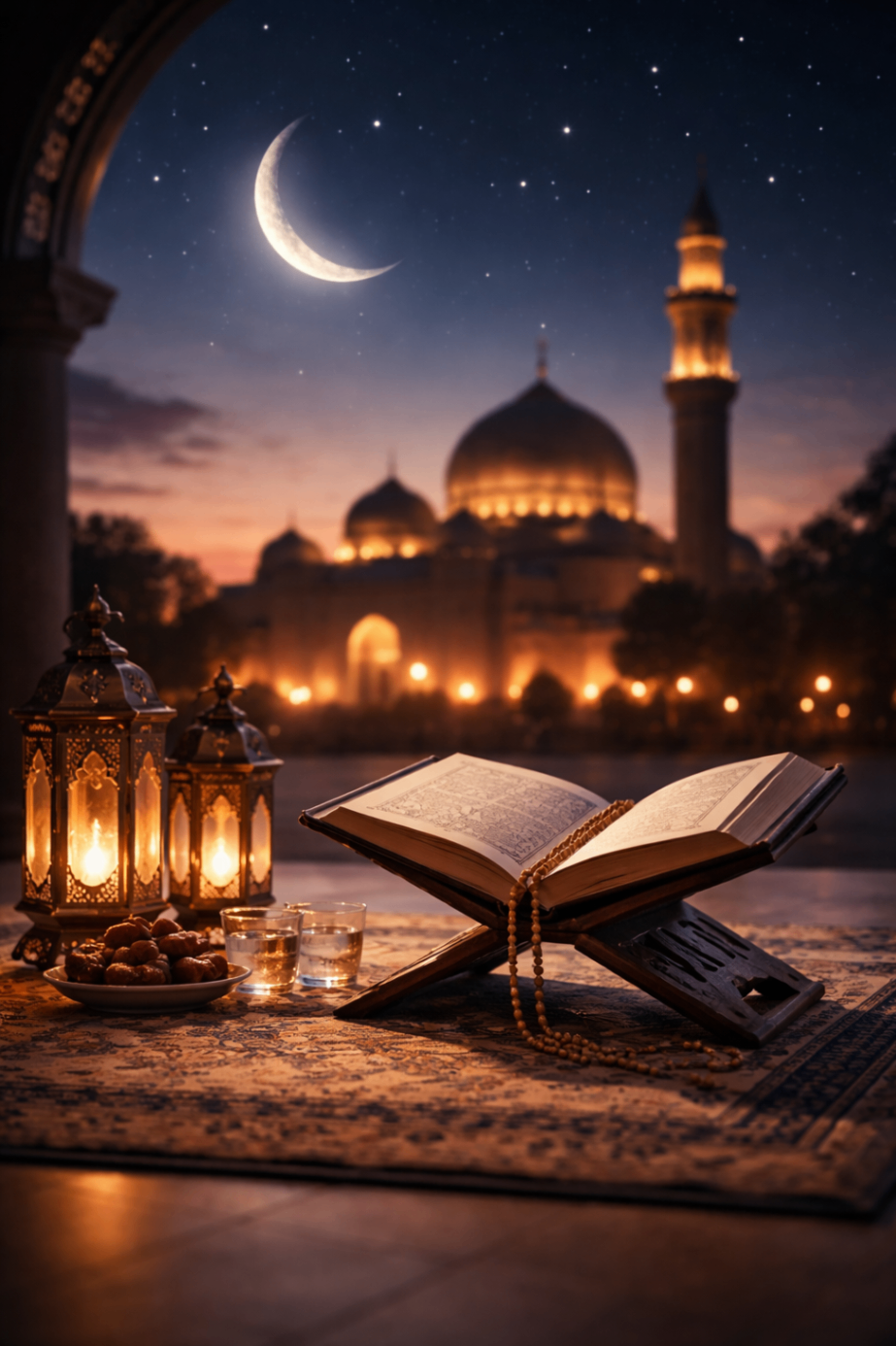
The main goals of Ramadan are:
Developing self-discipline – learning to control desires and habits
Growing spiritually – strengthening one’s relationship with God
Practicing empathy – understanding the struggles of the poor and hungry
Improving character – avoiding anger, gossip, lying, and harmful behavior
In Islam, fasting is meant to purify both the body and the soul.
Fasting (Sawm) – The Core Practice
Who Fasts?
Fasting is required for:
Adult Muslims who are physically and mentally able
Exemptions include:
Children
Elderly people
Pregnant or breastfeeding women
Sick individuals
Travelers
Those who cannot fast usually make up the fast later or feed the poor as compensation.
What Does Fasting Involve?
From dawn (Fajr) to sunset (Maghrib), Muslims abstain from:
Food and drink (including water)
Smoking
Negative behavior such as lying, gossip, anger, or insults
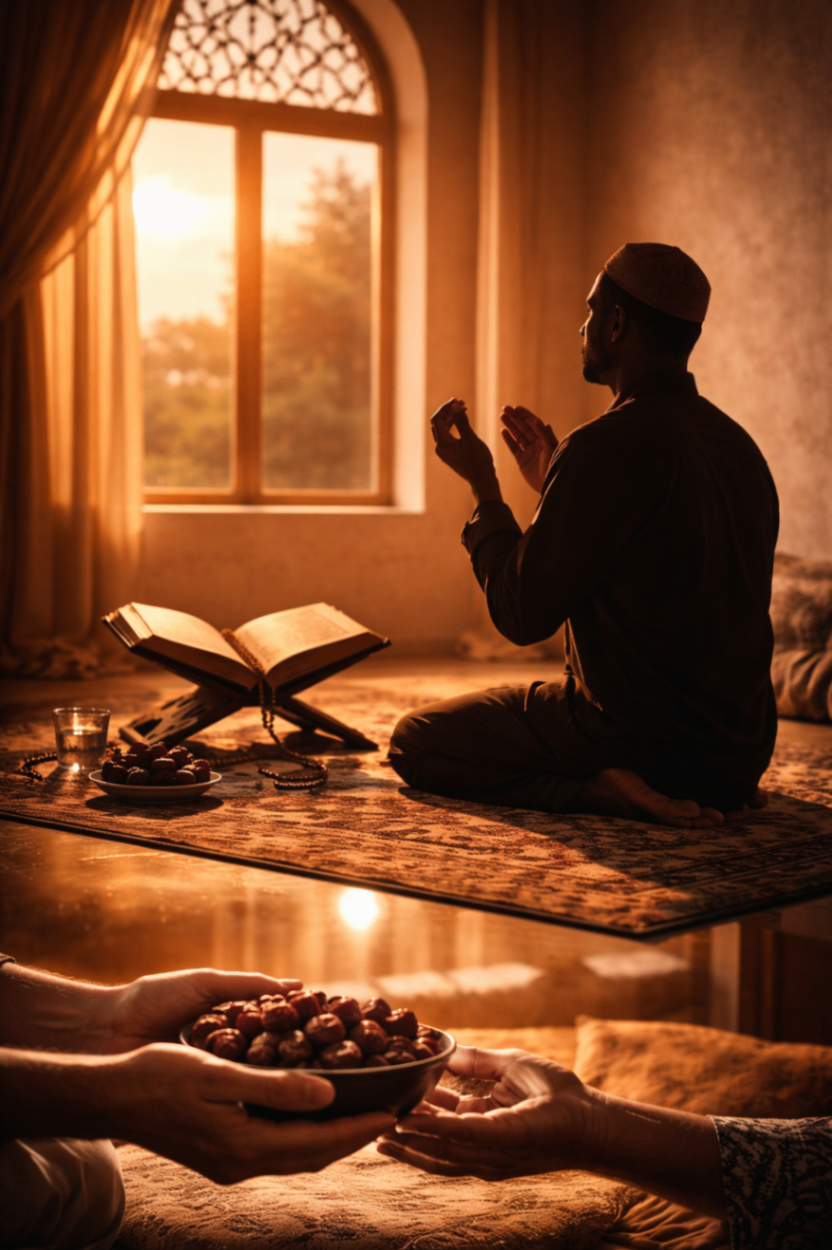
Fasting is broken at sunset each day.
daily Routine During Ramadan
Suhoor (Pre-dawn Meal)
Eaten before dawn
Helps sustain energy during the fast
Considered blessed, even if it’s a small meal
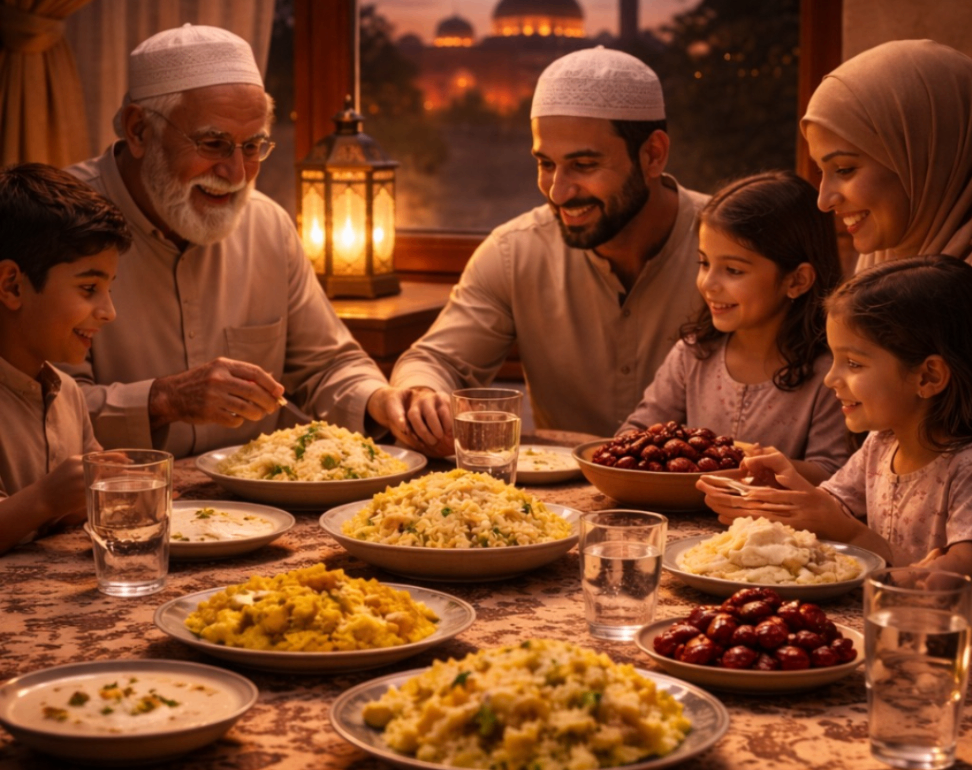
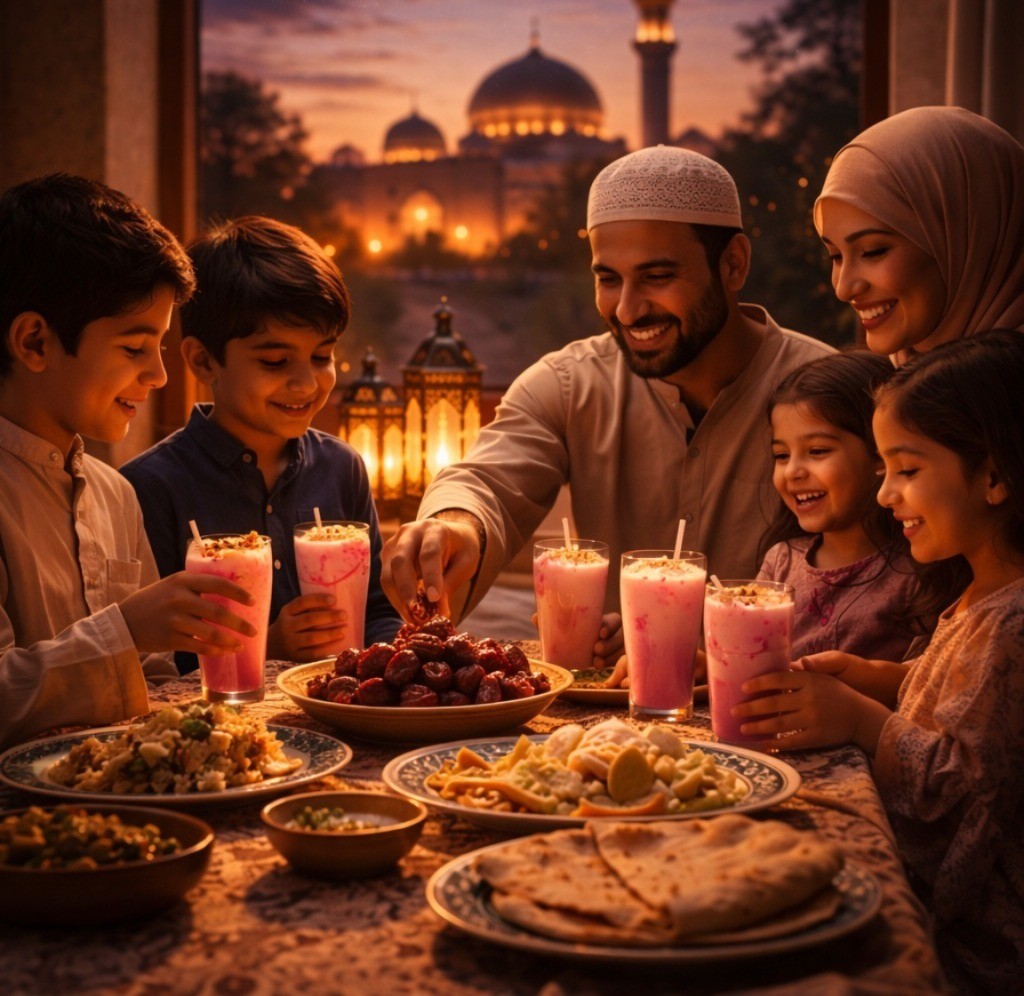
Iftar (Breaking the Fast)
Happens at sunset
Traditionally begins with dates and water
Often shared with family, friends, or the community
Prayer and Worship
During Ramadan, worship is increased:
Five daily prayers are strictly observed
Taraweeh prayers are performed at night (optional but encouraged)
Many Muslims aim to read the entire Qur’an during the month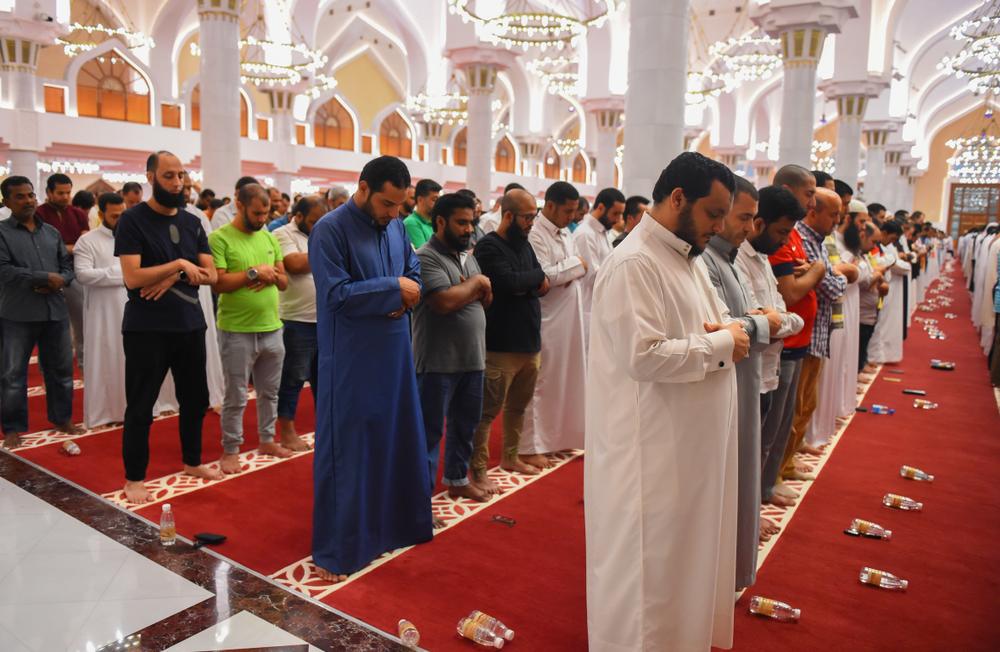
Extra supplications (duas) and remembrance of God are common
Laylat al-Qadr (The Night of Power)
Occurs during the last 10 nights of Ramadan (most commonly the 27th night)
Believed to be the night when the Qur’an was first revealed
Worship on this night is considered better than 1,000 months
Muslims spend the night praying, reflecting, and seeking forgiveness
Charity and Good Deeds
Charity is especially important in Ramadan:
Zakat (obligatory charity) is often given during this month
Sadaqah (voluntary charity) is highly encouraged
Feeding the poor, helping neighbors, and acts of kindness are emphasized
Even small good deeds are believed to bring greater reward during Ramadan.
Eid al-Fitr – The End of Ramadan
Ramadan ends with Eid al-Fitr, a joyful festival that includes:
A special prayer in the morning
Giving Zakat al-Fitr (charity before the prayer)
Family gatherings and celebrations
New clothes, gifts, and special meals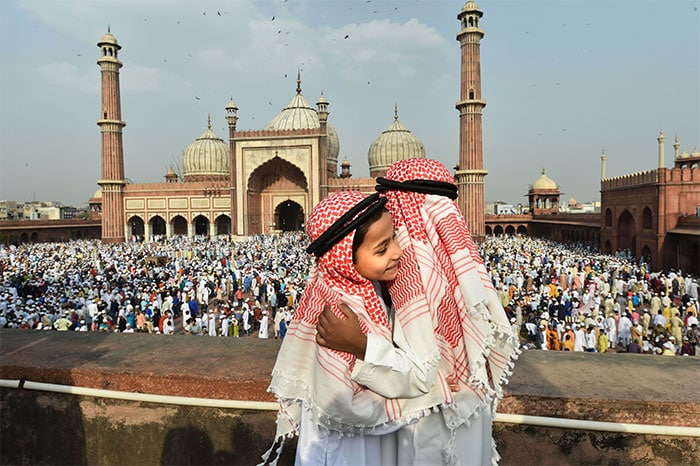
Eid is a day of gratitude and happiness after a month of devotion.


