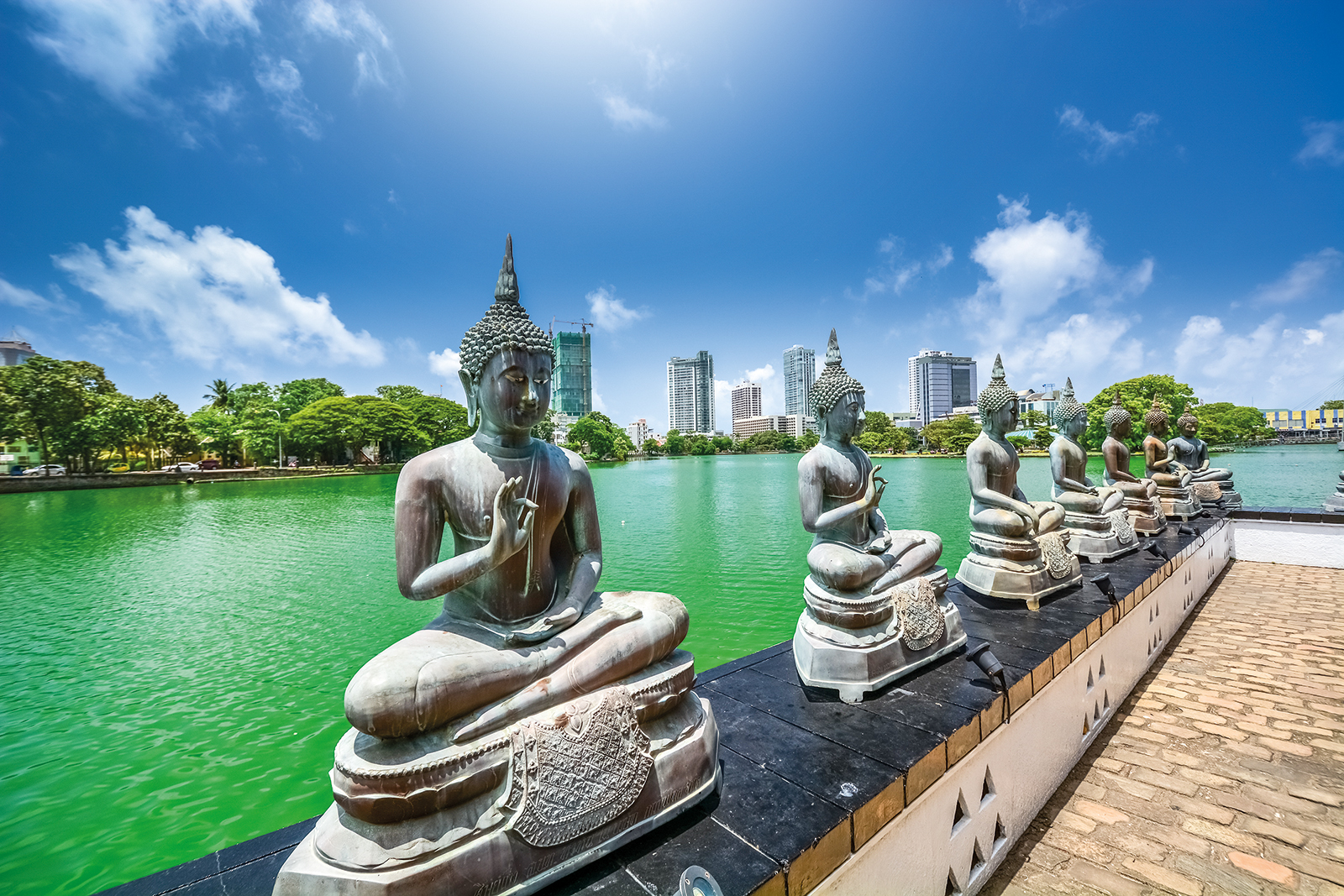
Sri Lanka presents the 180-day tourist visa and the new digital nomad visa.
Sri Lanka has increased the length of its tourist visa to 180 days and introduced a new Digital Nomad Visa. Here are the implications of the new regulations for long-term visitors and remote workers.
Two new visa alternatives have been introduced by Sri Lanka to facilitate longer stays for visitors. One is intended for employees who work remotely. The other allows visitors to explore for longer periods of time without the need for frequent renewals.
If you intend to stay longer, here are the changes and their implications.
Digital Nomad Visa: Essential Information
For digital nomads who operate online for businesses or clients outside of Sri Lanka, this is the country's first official visa. That option didn't actually exist before now.
How Much Time Is It Good?
You can stay for a year with the visa. It is possible to renew.
Each applicant must pay a government fee of USD 500 for the first year.
Who May Apply Candidates need to:
be at least eighteen years old.
Work from home as a freelancer, employee, or company owner
Make money only from sources outside of Sri Lanka.
operate companies that are not Sri Lankan registered.
fulfill the government-mandated minimum income threshold
What You Can Do Those with a Digital Nomad Visa are able to:
Live in Sri Lanka for a long time
Enroll kids in private or international schools
Make use of local phone, internet, and utility services.
Utilize co-working spaces for work
Participate in IT courses and travel-related activities
Rent or lease real estate
Create and keep a personal bank account.
You are not allowed to work for a Sri Lankan corporation. Employment locally is definitely prohibited.
How the Program Operates
There are several steps in the process:
Consult the Ministry of Digital Economy in Sri Lanka for a recommendation.
Obtain a medical clearance before entering Sri Lanka.
Send the Department of Immigration the visa application.
Await approval and review.
Obtain the Department of Immigration and Emigration's visa.
After being accepted, digital nomads who reside in Sri Lanka are able to lawfully work online for foreign companies.
Stay Up to 180 Days with an Extended Tourist Visa
The tourist visa is also strengthened in addition to the new digital nomad visa. The duration of the new extended version is doubled to 180 days from the standard 90.
Novel Validity
180 days, as opposed to the customary 90 days.
How to Apply
Through the Electronic Tourist Visa Activation System, travelers can apply online via the Sri Lanka Tourist Mobile App. Very simple, no problems with the embassy.
Government Charges
SAARC nations: USD 70
Countries outside of SAARC: USD 85
USD 50 under bilateral agreements for Singapore, the Maldives, and the Seychelles
Tourists' Restrictions on Working Remotely
Those on tourist visas are not permitted to work in the area. When working remotely, one's activities must be restricted to marketing services or representing a foreign company while in Sri Lanka.
Reasons for Sri Lanka's Actions
The government hopes to draw in remote workers who spend money locally and stay longer. The economy benefits from the consistent income that digital nomads provide without taking on local jobs.
The first nation in the area to offer a formal visa for digital nomads is Sri Lanka. Similar approaches are being investigated by nations like Thailand and Indonesia.
A Warning Regarding Visas for Remote Work
Rules pertaining to remote work are ambiguous or improperly enforced in several nations. Both employers and employees may be at legal risk as a result.
Fines, tax problems, or the inability to hire foreign staff are examples of problems. Employers and travelers will need to pay more attention to local immigration and tax regulations as remote work visas become more common.
An Initiative for Digital Visa Systems
The decision by Sri Lanka to connect visas with a smartphone app reflects a broader Asian trend toward computerized immigration services.
The same is being done in other nations. A number of pass applications have been moved to online platforms in Singapore. India now permits the digital submission of passport-related documents via DigiLocker rather than in person.
This typically translates into quicker processing and fewer paper paperwork for travelers.


