The Top Ten Most Isolated Countries in the World
In a world when international travel and digital communication have made distances appear shorter, some countries remain remarkably isolated. Vast oceans, dispersed islands, long distances between continents, and restricted transportation options make these destinations feel remote from the rest of the globe.
Note that there is no single universal ranking of the "most isolated countries," as isolation might be evaluated by distance from continents, population centers, markets, or transportation networks. Pacific island nations are important in geographic isolation research; the IMF lists Tuvalu, Kiribati, the Marshall Islands, Samoa, and Tonga as the world's most isolated minor governments. In one measure, New Zealand distinguishes out as being particularly far from other countries.
1. New Zealand (🇳🇿)
New Zealand is located in the South Pacific and is separated from the other major landmasses by large lengths of ocean. Despite having modern cities and great international connections, its physical location places it among the world's most remote countries.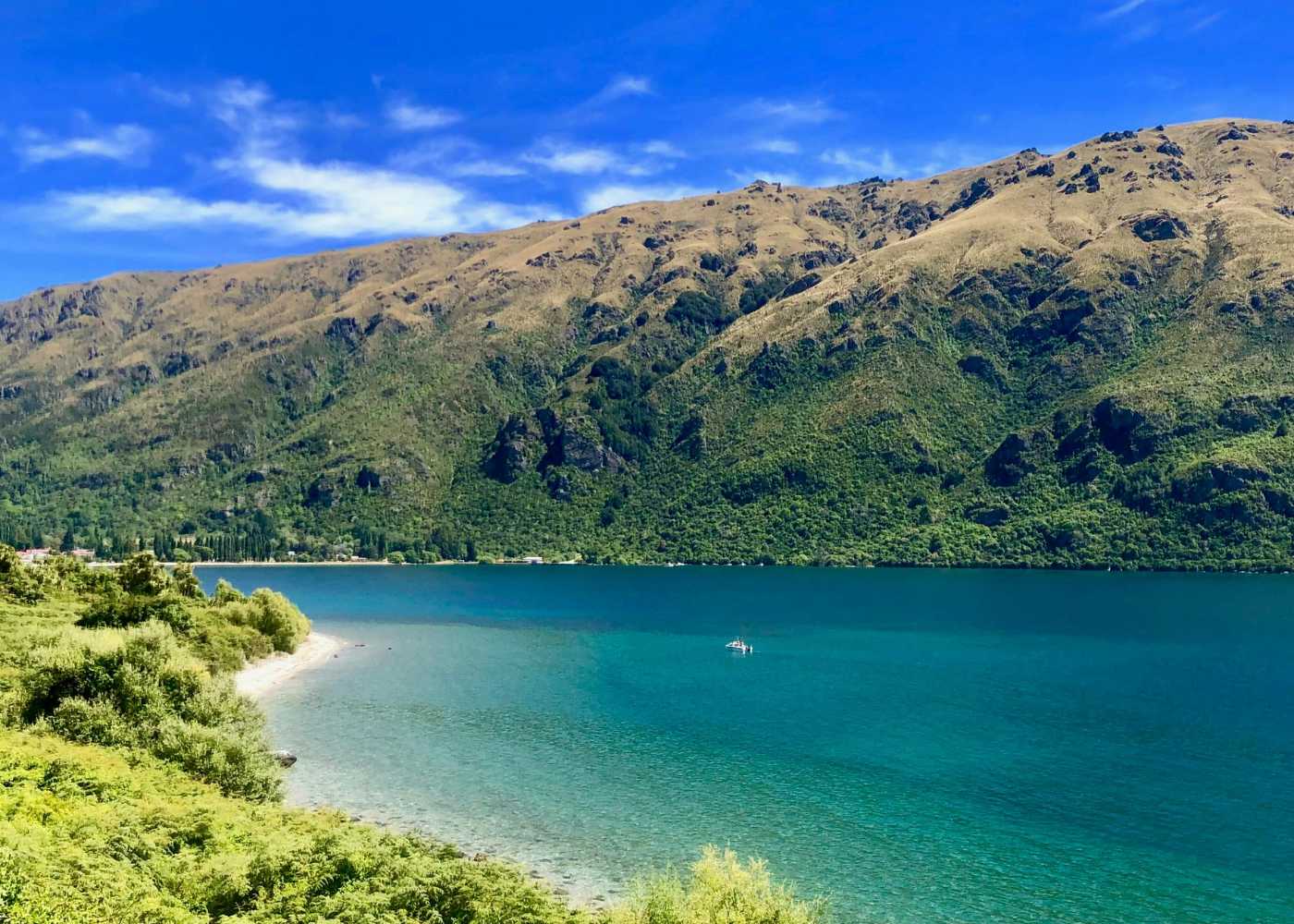
Why does it feel isolated?
Far from Europe, North America, and Asia.
Surrounded by the Pacific Ocean.
Long international travel times between numerous countries.
2.Tuvalu (🇹🇻)
Tuvalu is a small island nation in the Pacific. Its distant location and small size make it one of the most obvious cases of geographical isolation. According to an IMF research, Tuvalu lies more than 3,000 kilometers from the nearest continent, Australia.
Kiribati is made up of a large number of islands and atolls spread over the Pacific Ocean. Its populations are separated not just from the continents but also from one another by vast expanses of open water.
Why is it isolated?
Islands distributed across the middle Pacific.
Long-distance Travel Connections
The vast ocean separates its island groups.
4. Marshall Islands (🇲🇭)
The Marshall Islands are a collection of atolls and islands in the Pacific. Their remote location contributes to increased transportation costs and inadequate physical connectivity when compared with countries located close to large continental markets.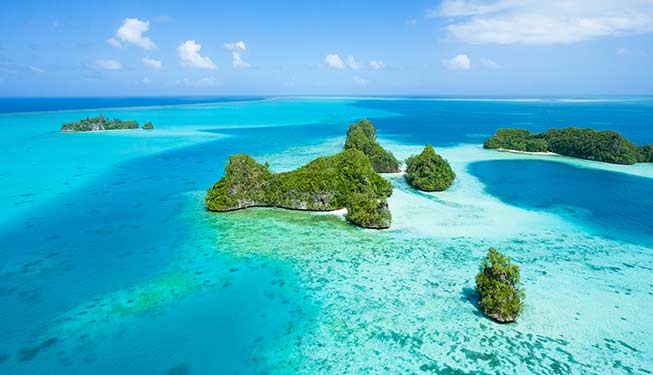 5. Tonga (🇹🇴)
Tonga is a Polynesian island nation made up of more than 170 islands. Its location in the South Pacific distances it from major continents and global population centers.
6.Samoa (🇼🇸)
Samoa, located in the South Pacific, is another example of a geographically distant island republic. According to IMF study, Samoa is one of the minor Pacific republics that is most separated from continental landmasses.
7. Palau (🇵🇼)
Palau is a small island nation in the western Pacific Ocean famed for its stunning marine environment and numerous islets. Its relative isolation is due to its distance from main markets and island environment.
8. Nauru (🇳🇷)
Nauru is one of the world's smallest independent countries, consisting of just one island in the central Pacific. Its modest size and isolated position make it an intriguing example of a remote island country.
9. Iceland (🇮🇸)
Iceland is located in the North Atlantic Ocean, separated from continental Europe and North America. Although modern aviation has made the country more accessible, its island position, volcanic landscapes, and stunning natural surroundings maintain a strong sense of geographical isolation.
Madagascar is located off the southeastern coast of Africa, separated from the mainland by the Mozambique Channel. Its extended geographical separation has resulted in the creation of distinct ecosystems and landscapes.
Why are these countries so isolated?
Geographical isolation can influence many elements of life and travel, including:
Longer flight paths
Limited transportation connections.
Increased shipping and transportation costs.
Smaller populations.
Distance from key international markets.
Unique cultures and ecosystems.
The Pacific island countries are particularly significant since several are spread across vast expanses of ocean, distant from major continental landmasses.
Final Thoughts
The world's most isolated countries demonstrate that there are still places where geography generates a sense of distance and remoteness. From the remote Pacific atolls of Tuvalu and Kiribati to the stunning landscapes of New Zealand, Iceland, and Madagascar, these countries provide a radically different experience than the world's biggest tourist destinations.