This week is the full launch of new EU travel regulations. Are Airports Prepared?
This week marks a major turning point for international travel within and into the European Union. After months of planning and phased implementation, new EU travel regulations are officially coming into full effect — and the impacts will be felt from Lisbon to Helsinki, from airports to traveler lounges.
But the big question on everyone’s mind is: Are airports ready for these changes?
What Are the New EU Travel Regulations?
The European Union has introduced a suite of updates designed to improve security, streamline border checks, and modernize travel processes across member states. Key elements include
Updated Entry/Exit System (EES) biometric data and digital records for visa required and visa exempt travelers
European Travel Information and Authorization System (ETIAS) a pre travel authorization for eligible travelers
Enhanced security screening and coordinated watchlist systems
Stronger data-sharing frameworks among EU members
These updates aim to strengthen the Schengen Area’s external borders while smoothing the travel experience overall.
Why This Matters for Airports
Airports across the EU now face the challenge of rolling out:
New hardware for scanning and biometric verification
IT systems linked to EU-wide databases
Staff training on updated screening and data procedures
Information for passengers on what to expect
For travellers, it could mean faster processing once systems are working smoothlybut only if airlines and airports have adapted in time.
So, Are Airports Prepared?
The short answer: Mostly but with challenges.
Here’s what industry insiders are saying:
Progress Has Been Significant
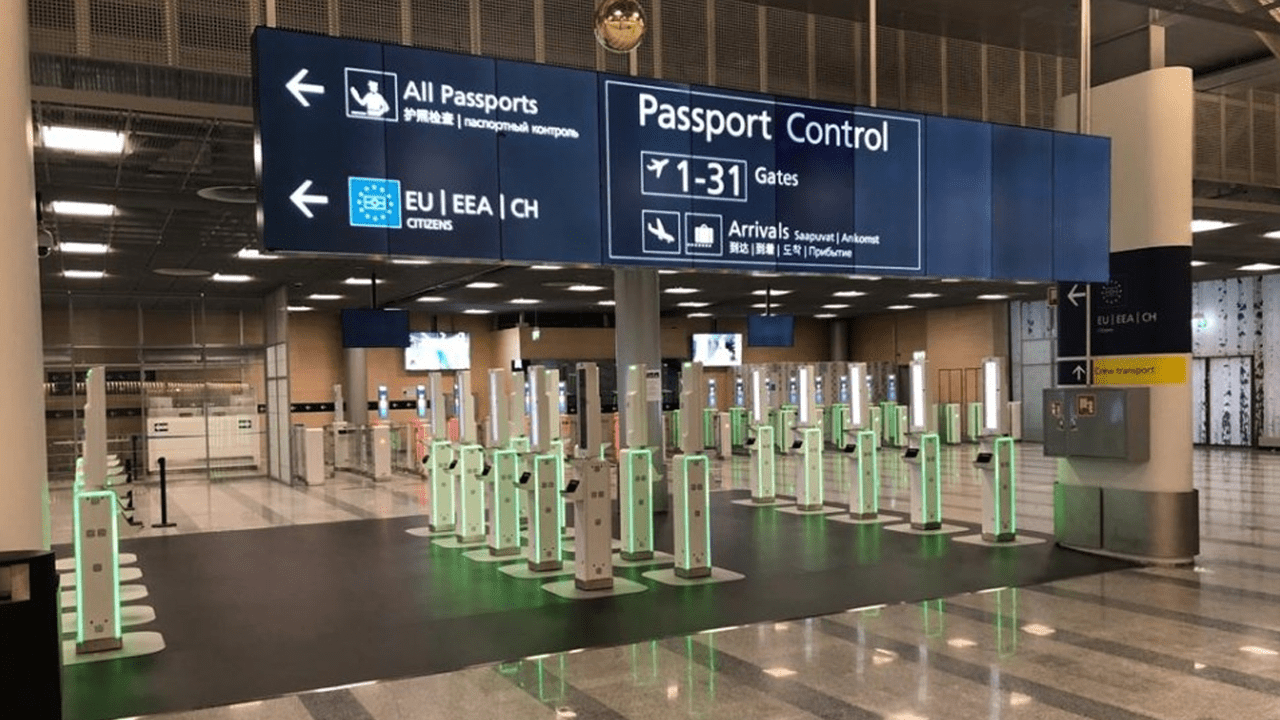
Many major airports including hubs like Paris CDG, Frankfurt, and Amsterdam Schiphol have spent the past year finalizing upgrades. New biometric e gates and EES compatible kiosks are in place, and staff have completed training modules.
Airlines have also updated their booking systems to transmit the correct data to authorities, reducing border delays.
Smaller Airports Still Catching Up
Not all airports had the resources or time to fully implement every requirement. Some regional airports report:
delayed installation of biometric systems,
ongoing software testing,
and last minute training for frontline staff.
These gaps could cause temporary delays or confusion as systems go live
Digital Transition Bottlenecks
Even at major hubs, the switch to new digital systems hasn’t been seamless. Early reports note:
lag times in data transmission,
glitches in ETIAS application verifications,
and overloaded support lines for travellers with questions.
Technology experts say these are normal in a major system rollout, but still require careful monitoring.
Communication With Travellers Is Key
One consistent concern is how well airports are informing passengers. Many travellers report confusion over:
who needs ETIAS,
how to use biometric gates,
and what documents to have ready at check in.
Clear signage and proactive communication are essential and not all airports are there yet.
What Travellers Should Expect This Week
Whether you’re flying into Paris, Madrid, or Warsaw, here’s what to know:
Apply for ETIAS before travel if required
Arrive with all documentation ready
Expect some new biometric screening at borders
Allow extra time at check-in and passport control
Ask airport staff for help if unsure — they are prepared and ready to assist


