US Expands Residency Rules for Children of Foreign Officials: Who Qualifies?
The United States has expanded an existing permanent residency option for children born in America to foreign government employees. Here's who qualifies, who is excluded, and why a court injunction is currently preventing implementation.
The US Department of Homeland Security (DHS) has enhanced an existing permanent residency provision for certain children born in the United States to foreign government workers.
The interim final regulation, which takes effect September 4, 2026, replaces the narrower phrase foreign diplomatic officer with the larger category of foreign government employee. The modification is in accordance with President Trump's Executive Order 14418.
Who Qualifies Under the New Rule?
The provision is applicable where:
The child was born in the United States on or after September 4, 2026.
Neither parent was a US citizen at the time of birth.
When the child is born, at least one of the parents must be a qualifying foreign government employee.
The enlarged meaning may include accredited foreign diplomats, certain embassy and consular staff who are nationals of the country they represent, and those officially hired by a foreign government.
It may also include personnel of international organizations who have international organization immunity. 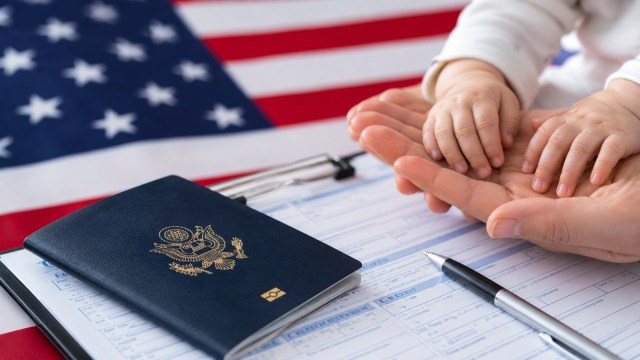 Who is Excluded?
The rule does not apply to everyone who works for a foreign government or affiliated organization. Excluded categories include:
Personal servants or attendants to foreign officials
Some employees of state-owned enterprises
Third-country citizens working for foreign governments.
Certain contractors
Foreign government employees visiting the United States in a personal capacity
The distinction is important because eligibility is now based on the parent's exact employment and official standing, rather than their relationship to a foreign government.
What are the changes for applications?
DHS is amending Form I-485, which is used to apply for lawful permanent residence or adjustment of status, as well as the instructions.
Individuals Born in the United States Under Diplomatic Status will be renamed Individuals Born to Foreign Government Employees in the United States.
DHS is also amending Form G-325R, which requests biographic information during registration. This includes children who do not receive US citizenship at birth and do not apply for permanent residence under the modified clause.
A major limitation for now.
There is a significant legal difficulty.
A preliminary injunction ordered in Casa Inc. v. Trump on September 2, 2026, bars DHS from implementing the rule for members of the certified class or taking anything that violates the injunction. The DHS said it will execute the rule if the government is granted relief from the court ruling.
This means that the regulation is technically sound, but its practical implementation is currently limited by the litigation.
The expanded definition also reflects a trend in immigration policy: eligibility is increasingly linked to specific legal status and official capability rather than generic labels like diplomat or government employee.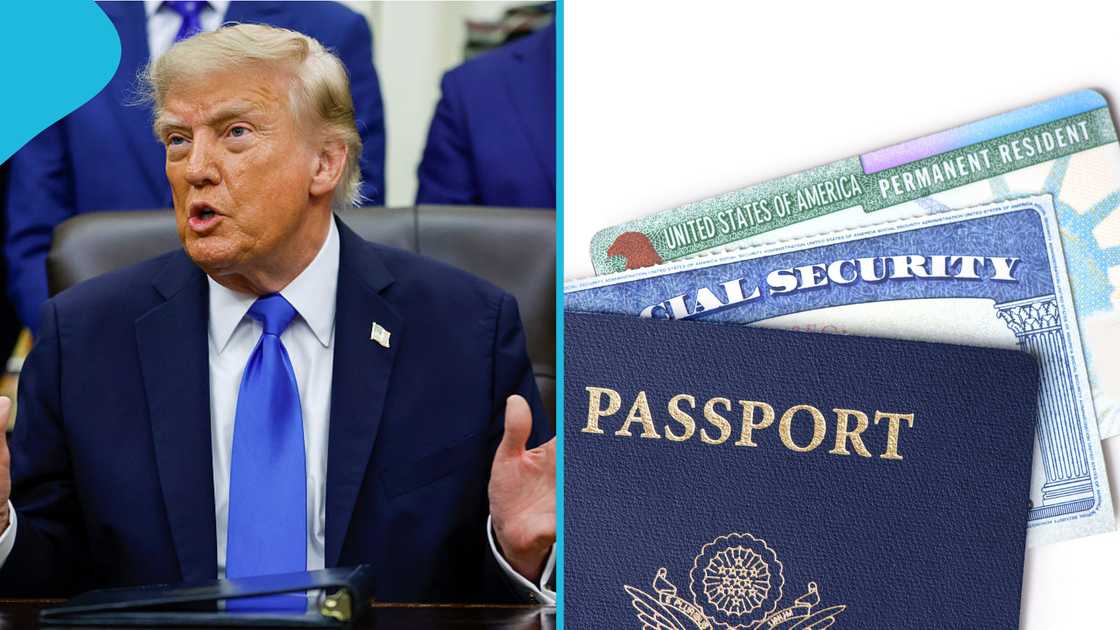
What Indian Tourists Should Know
For Indian citizens working for the Indian government or eligible foreign organizations in the United States, the parent's specific official status is important. The rule does not establish a general path to permanent residency for all children born in America to foreign nationals.
Indian families who may be affected by the provision should check the parent's employment category, diplomatic or official status, the child's birth date, and the current court position before filing.
Travunited Take:
We regard this as a targeted immigration change, rather than a widespread gain for Indian families. It may benefit eligible instances, but the court order renders immediate use uncertain.

Back to Blog
Travel tip
07 Sept 2026


