US May Scrap 60-Day Grace Period for H-1B Workers After Job Loss.
The United States is exploring significant changes to the laws governing foreign skilled workers who lose their jobs while on H-1B status. The proposed change would abolish the 60-day grace period currently given to qualifying H-1B workers after their employment ends, increasing uncertainty for thousands of foreign professionals, including many Indian workers.
Importantly, the adjustment has not yet taken effect. The present 60-day grace period remains available under current laws, while the proposed change is currently under regulatory evaluation.
Under current standards, qualifying H-1B workers who are involuntarily terminated may remain in the United States for up to 60 days, or until the end of their approved validity period, whichever comes first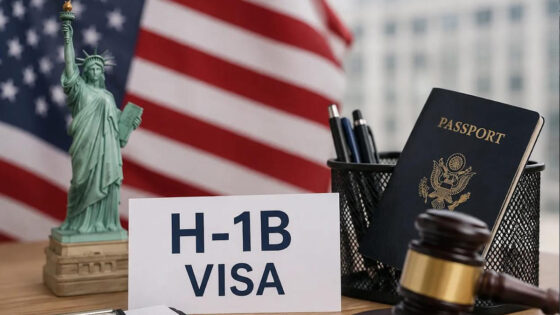
This period allows workers to:
• Find a new employer.
• Fill out an H-1B change-of-employer petition.
• Consider another immigration status.
• Consider other lawful alternatives.
• Prepare to flee the USA if necessary.
USCIS has previously explained that the grace period can provide workers with an opportunity to find new employment or pursue another immigration option.
What is the US government considering?
The Department of Homeland Security is allegedly considering abolishing the current 60-day grace period for certain foreign workers who lose their jobs.
If implemented, the idea may substantially shorten the amount of time impacted H-1B workers have to find another job or prepare for another legal immigration alternative. Reports indicate that workers may be obliged to leave the United States far sooner after their job expires, subject to the final regulation and any applicable exceptions or USCIS discretion.
However, this is still a suggested policy change and should not be regarded as an established norm.
Why is the grace period important?
Losing a job can be especially difficult for an H-1B worker because their visa status is inextricably linked to employment.
The current 60-day term provides a useful buffer during which a worker can look for another eligible job and cooperate with a prospective employer on the necessary immigration process.
Removing that buffer may make a sudden layoff much more stressful.
The proposed adjustment could have a considerable impact on Indian professionals because Indian nationals make up a large portion of the H-1B workforce.
Many Indian technology workers work in the United States on H-1B visas, particularly in fields such as:
• Information technology
• Software development
• Engineering
• Data science
• Consulting
• Artificial intelligence
• Healthcare
• Financial technology
A shorter time to find new job may increase anxiety for Indian professionals facing layoffs or reorganization. Recent revelations have raised specific concerns about Indian H-1B workers and their families.
What Happens After an H-1B Job Loss?
Under the existing system, an eligible person who loses their job may have numerous options during the grace period.
1. Identify a New H-1B Employer
The worker may seek another eligible position and have the prospective employer file the necessary H-1B petition.
H-1B portability laws may also allow certain individuals to begin working for a new company when a qualifying petition is duly filed, subject to the applicable conditions.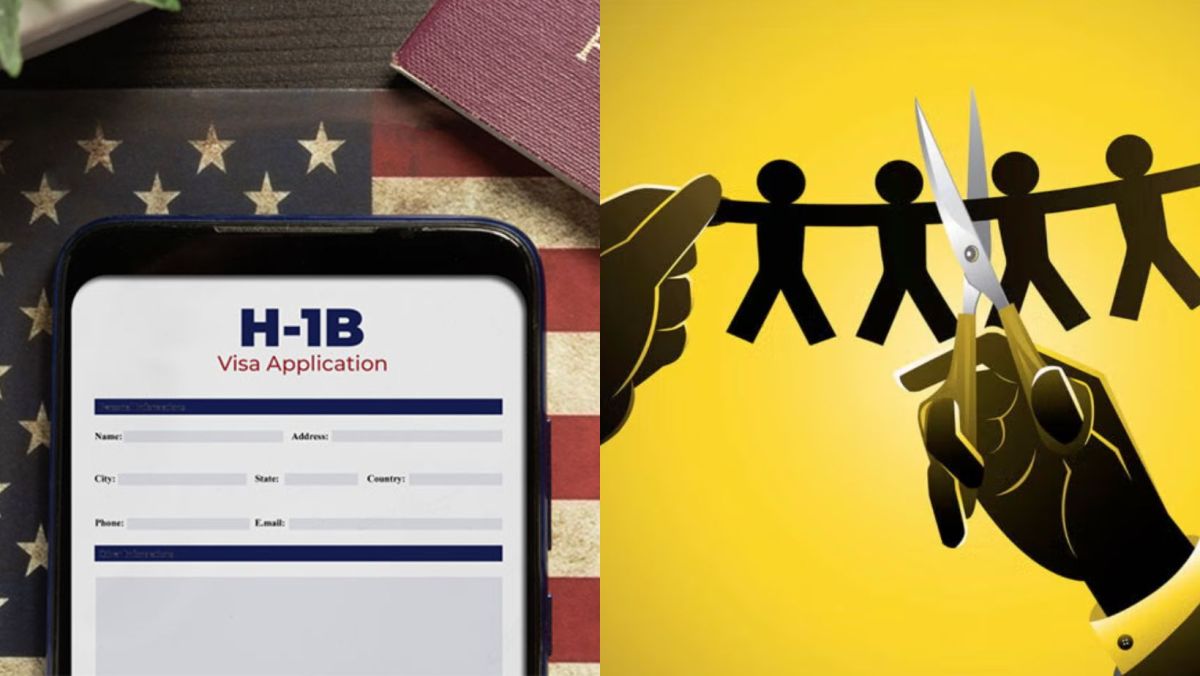
2. Change your immigration status.
According to USCIS, some workers may be entitled to pursue a change to another nonimmigrant status based on their circumstances.
3. Consider another immigration option.
Some workers may have various immigration options based on their specific circumstances, such as employment-based permanent residency or dependant status.
4. Leave the U.S.
If a worker is unable to achieve another legal status or working agreement, leaving the United States may become required.
Impact on H-1B Families.
The possible change may also affect H-4 dependents, such as spouses and children of H-1B workers.
When the primary H-1B worker loses their job and faces a change in immigration status or departure, the immigration situation of their accompanying family members may become more problematic.
Recent reporting has highlighted these concerns, as well as broader uncertainties for foreign professionals seeking employment-based immigration advantages.
Could This Affect the US Technology Industry?
The H-1B program is commonly used by American businesses to hire foreign skilled individuals, notably in technology and specialized fields.
A reduction in the post-employment grace period may make the US job market less predictable for international candidates. Critics and industry observers have expressed worry that increased immigration uncertainty will have an impact on organizations looking to hire and keep highly educated foreign workers.
Simultaneously, the administration's suggested strategy reflects a larger attempt to tighten immigration regulations and increase control of temporary foreign worker programs.
Is the 60-day H-1B grace period already over?
No.
This is one of the most important ideas for H-1B workers to understand.
As of August 11, 2026, the stated change was still a proposal under consideration, not a final rule. Eligible H-1B workers are remain subject to the existing rules, including the current grace-period framework.
As a result, stories saying that the US has already ended the 60-day grace period are false.
What should H-1B workers do now?
Workers should not base their immigration decisions exclusively on reports about the proposed changes.
If an H-1B worker is facing a layoff or employment termination, it is critical to:
• Check the actual employment end date.
• Examine the I-94 and latest immigration documentation.
• Begin looking for qualified employment right now.
• Speak with the prospective employer's immigration staff.
• Examine whether another immigration status may be available.
• For further information on your specific situation, see a skilled US immigration attorney.
• Keep track of official notifications from the USCIS and DHS.
Because immigration rules can change quickly, workers should double-check the criteria when they need to take action.
What Does This Mean for Indian Professionals?
For Indian H-1B professionals, the probable termination of the 60-day grace period could mean a substantial adjustment in how they deal with unexpected job loss in the US.
The current grace period offers a valuable time to look for a new job and evaluate immigration options. If that protection is eliminated, affected workers may face much increased pressure to find another immigration solution fast.
However, no urgent action to repeal the existing grace period has been taken, thus Indian professionals should distinguish between the planned policy and the laws that are presently in place.
Conclusion
The US government's stated contemplation of abolishing the 60-day H-1B grace period following job loss might have far-reaching consequences for foreign skilled workers, notably Indian technology experts.
However, for the time being, the modification is only being considered, not implemented. H-1B workers should continue to follow current guidelines while keeping an eye out for official DHS and USCIS statements regarding any final regulatory action.


