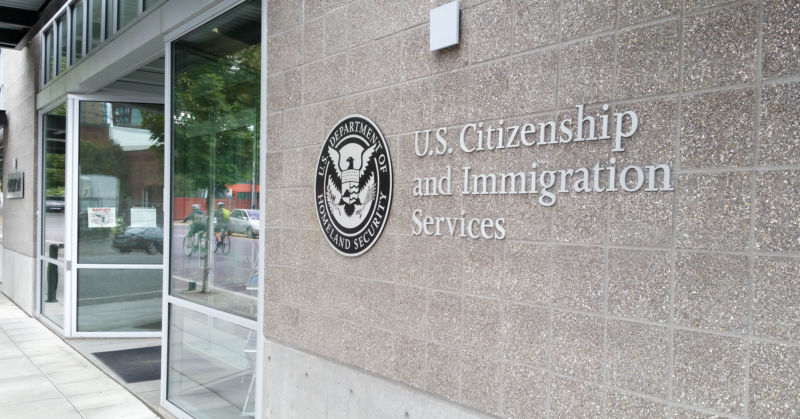
Beginning on March 1, USCIS will raise premium processing fees. The new expenses are described.
Your expenses are going to increase if you intend to employ premium processing when applying for a U.S. work visa or green card.
The U.S. Citizenship and Immigration Services (USCIS) will raise premium processing fees for a number of employment-based forms starting on March 1, 2026. A regular inflation adjustment is reflected in the revised rule, which was released on January 12. In February 2024, there was the most recent fee revision.
Premium Processing: What Is It?
Let's dissect it.
USCIS offers premium processing as an optional, paid service. If you select it, the organization guarantees to complete your case in a specific amount of time, typically 15 or 30 calendar days, depending on the form.
It doesn't increase your chances of being accepted.
A visa is not assured by it.
It just expedites the decision-making process.
The premium charge is refunded if USCIS misses the deadline, but the case is still processed quickly.
The Reasons Behind Its Use
employers require that employees arrive on time.
Workers have plans to travel.
OPT students desire quicker work authorization.
Project timelines are a problem for businesses.
It saves time, to put it briefly. It will now cost more, though.
March 1, 2026: New Premium Processing Fees
Applications postmarked on or after March 1, 2026, are subject to the additional fees. This is a condensed explanation:
Form I-140 (Alien Worker Immigrant Petition)
For green card categories based on job, the Form I-140 is frequently utilized.
Present cost: $2,805
The new cost is $2,965.
Boost: $160
Nonimmigrant Worker Petitions, Form I-129
The H-1B visa and other well-known work visas are covered under Form I-129.
Typical categories:
Present cost: $2,805
The new cost is $2,965.
Boost: $160
Regarding the R-1 and H-2B categories:
Present cost: $1,685
Increase: $95; new fee: $1,780
Form I-539 (Status Change or Extension)
Dependents or people who are staying longer in the United States frequently use this form.
The current cost is $1,965.
The new cost is $2,075
Boost: $110.
F-1 OPT Work Authorization Form I-765
This has an impact on foreign students requesting work permits for Optional Practical Training.
Present cost: $1,685
New charge: $1,780
Boost: $95
Modifications to the USCIS Premium Processing Fee (Effective March 1, 2026)
Case Category, Form Type, Current Fee, and New Fee Increase
Form I-129: Most Work Visa Categories (H-1B, L-1, etc.) $2,805 $2,965 + $160 Form I-140: Employment-based Green Card Petition $2,805 $2,965 + $160
Form I-129 H-2B and R-1 Categories $1,685 $1,780 + $95 Form I-539 Status Change or Extension $1,965 $2,075 + $110 Form I-765 F-1 OPT Work Authorization $1,685 $1,780 + $95
The increased fees will be charged if the premium processing request is postmarked on or after March 1, 2026.
The Impact of This on Your Application
The important thing is this.
It is not required to use premium processing. You can still avoid the additional expense and file as usual. However, depending on the type of visa and workload, routine processing may take months or even longer.
The higher cost might still be justified if timing is crucial.
The increase soon mounts up for corporations, particularly those filing numerous H-1B or employment-based green card requests. Planning a budget will become increasingly crucial.
It entails slightly greater upfront expenditures during an already costly immigration procedure for overseas workers and international students.
The Reasons Behind USCIS's Fee Increase
Every two years, USCIS modifies premium processing fees to reflect inflation. That regular cycle includes this change. It has nothing to do with the new immigration laws. It's merely a change in finances.
What You Need to Do Right Now
If premium processing is what you intend to use:
To lock in current fees, submit your application before March 1, 2026.
Verify the postmark dates twice.
Verify the most recent cost amounts with your immigration attorney or employer.
A few hundred dollars can be saved by making little timing decisions.
Concluding remarks
One of the quickest methods for advancing a U.S. work visa or green card case is still premium processing. The service isn't evolving. It's just the cost.
You will probably continue to use it if speed is important. Regular processing is still an option if budget is more important. In any case, skipping the line will pay extra starting on March 1, 2026


