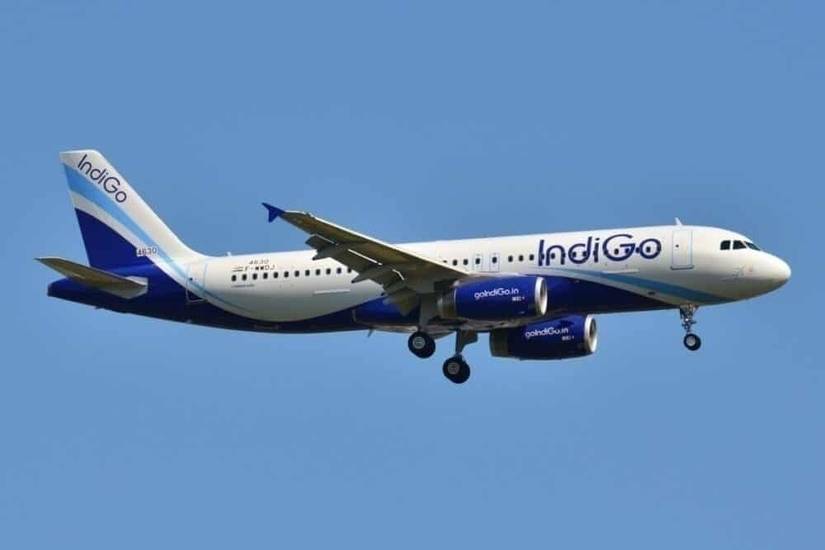
Why Are India's Airlines Fighting for Low Cost Travelers If the Country Is Going Premium?
India's aviation sector is experiencing a remarkable transformation. Rising incomes, increasing international travel, and growing demand for premium experiences have encouraged airlines to invest in business class cabins, upgraded lounges, premium economy seating, and enhanced in flight services. Yet, despite this shift toward premium travel, India's largest airlines continue to compete aggressively for budget conscious passengers.
This apparent contradiction reflects the unique dynamics of one of the world's fastest growing aviation markets. While premium travel is expanding, affordable airfares remain the key driver of passenger growth.
India's Aviation Boom
India has become one of the fastest-growing aviation markets globally, supported by:
Rising middle-class incomes
Strong domestic tourism
Growing business travel
Improved airport infrastructure
Government initiatives to improve regional connectivity
Millions of Indians are choosing air travel for the first time, creating enormous opportunities for airlines across every fare category.
The Premium Travel Trend
Over the past few years, demand for premium travel has increased significantly. Corporate travelers, affluent families, and international tourists are increasingly seeking:
Premium economy cabins
Business class seating
Airport lounge access
Flexible ticket options
Better onboard dining
Priority boarding and baggage services
Airlines are responding by upgrading fleets and introducing premium products on both domestic and international routes.
Why Budget Travelers Still Matter
Despite the rise in premium demand, budget travelers continue to represent the largest segment of India's aviation market.
Several factors explain this trend:
First-time flyers continue to enter the market.
Price remains the most important factor for many travelers.
Domestic routes are highly competitive.
Families often prioritize affordability over luxury.
Online travel platforms make fare comparisons easy.
Low cost airlines have expanded connectivity across the country.
As a result, airlines continue offering attractive entry level fares to maintain market share.
Competition Drives Lower Fares
India's airline industry is highly competitive. Major carriers regularly introduce promotional fares, discounted tickets, and flexible pricing strategies to attract passengers.
Competition encourages airlines to:
Launch affordable fare categories
Offer seasonal discounts
Introduce value-added bundles
Expand regional routes
Improve customer loyalty programs
This competition benefits travelers while helping airlines maintain high seat occupancy.
Balancing Premium and Low Cost Services
Modern airlines are no longer choosing between premium and budget travelers they are serving both.
Many carriers now operate a hybrid strategy by:
Offering low base fares
Selling optional add on services
Introducing premium economy cabins
Expanding loyalty rewards
Providing flexible fare options
This allows airlines to maximize revenue while catering to diverse passenger needs.
The Rise of First Time Flyers
India continues to witness millions of first time air travelers every year. Improved regional connectivity and increasing disposable incomes are making flying more accessible than ever before.
These travelers are particularly attracted by:
Affordable ticket prices
Frequent flight schedules
Easy online booking
Shorter travel times compared to rail travel
Promotional offers
Their growing numbers continue to fuel demand for budget-friendly fares.
Challenges Facing Airlines
While competition benefits passengers, airlines face several operational challenges:
Volatile aviation fuel prices
Airport infrastructure costs
Currency fluctuations
Fleet expansion expenses
Maintenance and operational costs
Pressure to maintain profitability
Balancing affordable fares with sustainable profitability remains one of the industry's biggest challenges.
The Future of Indian Aviation
India's aviation market is expected to continue expanding over the coming decade. Premium travel will likely grow as incomes rise, while budget travel will remain essential due to the country's large and price sensitive population.
Airlines that successfully balance affordability, service quality, and operational efficiency will be best positioned to capture long-term growth.
Conclusion
India's aviation industry demonstrates that premium growth and budget travel can coexist. While airlines invest in better cabins and enhanced passenger experiences, they continue to compete fiercely for cost-conscious travelers who make up the backbone of the domestic market. By serving both premium and budget segments, Indian airlines are building a more inclusive, competitive, and resilient aviation ecosystem that supports the country's rapidly growing demand for air travel.


