Germany tightens its B1 language test rules for migrants. From November 1
Germany's DTZ German language test rules may change from November 1, 2026. Here's what migrants and Indian candidates should know about B1 scores.
Germany will tighten its German language test requirements for immigrants beginning November 1, 2026, making it more difficult to achieve a B1 score on the Deutsch-Test für Zuwanderer (DTZ), the exam frequently given at the end of integration courses.
The amended guidelines require candidates to demonstrate at least A2-level competence in all tested areas. Leaving the writing section blank or performing below A2 in any required area may preclude candidates from receiving a B1 grade, even if they perform well in the other sections. The change comes in response to worries about attempts to cheat on language exams.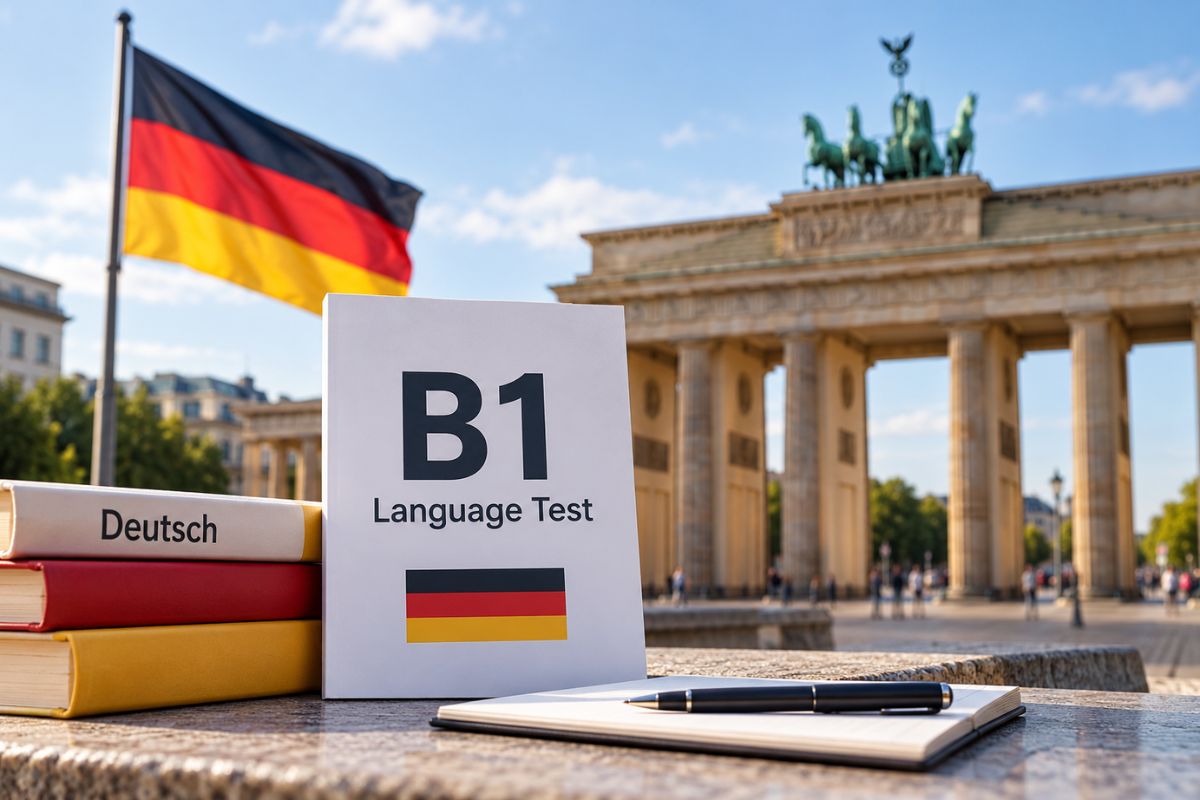 https://travunited.com/visas/de
What has changed since November 1?
The new requirements are exclusive to the DTZ exam. They do not make a blanket adjustment to all German B1 language exams.
The updated evaluation requires candidates to achieve B1 in speaking and at least one of the two additional examined areas: Listen, read, or write. The remaining area must be at least A2.
Why is Germany tightening its rules?
German authorities claim the modifications are aimed to reduce exam fraud. According to reports, candidates obtained answers online, completed the listening and reading sections with those answers, and left the writing section blank while still qualifying for B1 under previous scoring procedures.
The change emphasizes basic ability across all evaluated skills rather than exceptional performance in specific parts.
Impact on Foreign Applicants:
For foreigners wanting to live in Germany, the immediate impact is determined by the examination they take and the reason for which they require language evidence.
Work and settlement plans: Applicants using the DTZ for a relevant residence or integration phase should plan for the new minimum requirements.
Family and immigration paths: Anyone relying on a German-language certificate should clarify the exact level and accepted examination with the appropriate German authority.
Students and other German language learners: The adjustment does not immediately apply to all B1 exams. The Goethe-Institut and telc provide different examinations with their own assessment criteria.
Before scheduling an examination, candidates in India should check whose certificates are accepted by the receiving body. A DTZ result and a Goethe-Zertifikat B1 cannot be used interchangeably in all administrative processes.
Travunited Take:
We consider this as a more stringent test of practical German, not a blanket visa rule. Before scheduling an exam, Indian applicants should double-check their required certificates and practice writing.
1. What changes are being introduced to Germany’s B1 language test from November 1, 2026?
Germany will introduce stricter passing requirements for the German Test for Immigrants (DTZ). Candidates must achieve B1 in speaking and at least B1 in either listening/reading or writing, with at least A2 in the remaining component.
2. Who will be affected by Germany’s new B1 language test rules?
The changes affect migrants taking the DTZ, particularly participants in Germany’s integration courses.
3. When will Germany’s new B1 language test rules take effect?
The revised rules will take effect on November 1, 2026
4. Will the German B1 language test become more difficult?
Yes. Candidates will need to demonstrate a minimum A2 level in the remaining written component, making it harder to pass with a very low score in one area.
5. Will the new rules change Germany’s citizenship language requirements?
No. The change concerns how the DTZ result is assessed; it does not itself raise the general B1 language requirement for German citizenship.
6. Can migrants still use other German language certificates?
Yes. Depending on the purpose and applicable rules, other recognised certificates, such as Goethe-Zertifikat B1 or telc Deutsch B1, may be accepted. Applicants should confirm the requirements for their specific application.
7. Why is Germany tightening the B1 language test rules?
The government says the changes aim to prevent cheating and ensure candidates demonstrate adequate German skills across the assessed components.
8. How can migrants prepare for Germany’s revised B1 language test?
Candidates should practise speaking, listening, reading, and writing, paying particular attention to weaker areas and ensuring they meet the minimum required level in each component.


